
China’s fitness boom: Running faster in a slower economy
October 29, 2026
As consumption slows, China’s outdoor sports economy is finding new momentum
After a long day teaching math to young kids at an international school, Danny Liu finds the best stress relief is exercise. “I like running because I can do it anywhere, and it requires no expensive membership fees or specialist equipment,” he says. But that doesn’t mean he isn’t spending money. “I spent quite a bit on having good running shoes and lightweight clothing. I also have an Apple Watch to track my heart rate and pace,” he adds.
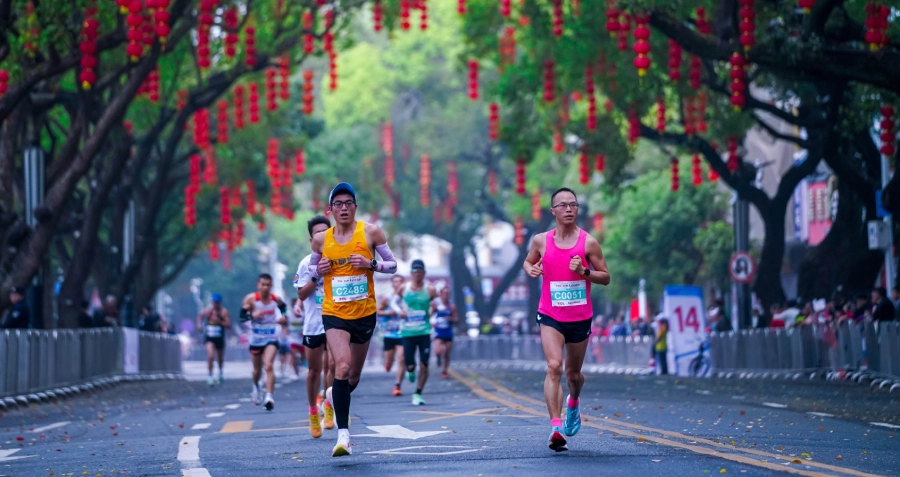
Across China’s cities, there are many like him. Running clubs are gathering before sunrise, cyclists are taking to the roads on weekends and hiking groups are heading into the mountains in search of exercise, fresh air and community.
These sports, which often require no membership fees or major upfront costs, seem appropriate at a time when Chinese consumers are cautious about spending. Yet running shoes, clothing and outdoor equipment have become markers of identity among young urbanites. Some specialist brands are recording double-digit revenue growth even as the broader sports and recreational goods retail category contracted in the first eight months of 2026.
More than 500 million Chinese people now participate in outdoor sports, according to government figures. For China’s sports industry, the opportunity is substantial, but uneven. While specialist outdoor brands are recording rapid growth, the broader sportswear market has struggled to maintain momentum. The question is whether the enthusiasm for fitness represents another passing consumer trend or a more permanent change in Chinese lifestyles.
From exercise to lifestyle
China’s growing enthusiasm for fitness predates the pandemic. Rising incomes, urbanization and expanding public sports infrastructure helped popularize recreational exercise throughout the 2010s, supported by government initiatives including Healthy China 2030.
COVID-19 accelerated the transformation. Travel restrictions and growing health awareness encouraged consumers to explore activities closer to home, while online fitness introduced new participants to regular exercise.
“COVID-19 was definitely a time when we saw these changes take off,” says Allison Malmsten, Research Director at Daxue Consulting. “One shift we saw was it drew people to more niche, outdoor destinations.”
But not every pandemic-era activity has maintained its popularity. “COVID gave people a trial, and some of it turned into a habit,” says Ashley Dudarenok, founder of China innovation firm ChoZan. “In 2022 the craze was camping, frisbee and paddleboarding, mostly as a stand-in for travel.”
Camping subsequently lost momentum as travel resumed, while activities offering opportunities for continued improvement and social interaction proved more resilient.
Running has been one of the clearest beneficiaries. Requiring relatively little equipment or infrastructure, it offers an accessible entry point into recreational sports. At the same time, organized running clubs, marathons and trail races have transformed an inexpensive activity into a substantial consumer market.
China hosted 749 road races in 2024, according to the Chinese Athletics Association, while trail running has become an increasingly prominent part of the outdoor sports scene.
“China is the country with the fastest growing number of trail runners and number of trail running events,” says Malmsten.
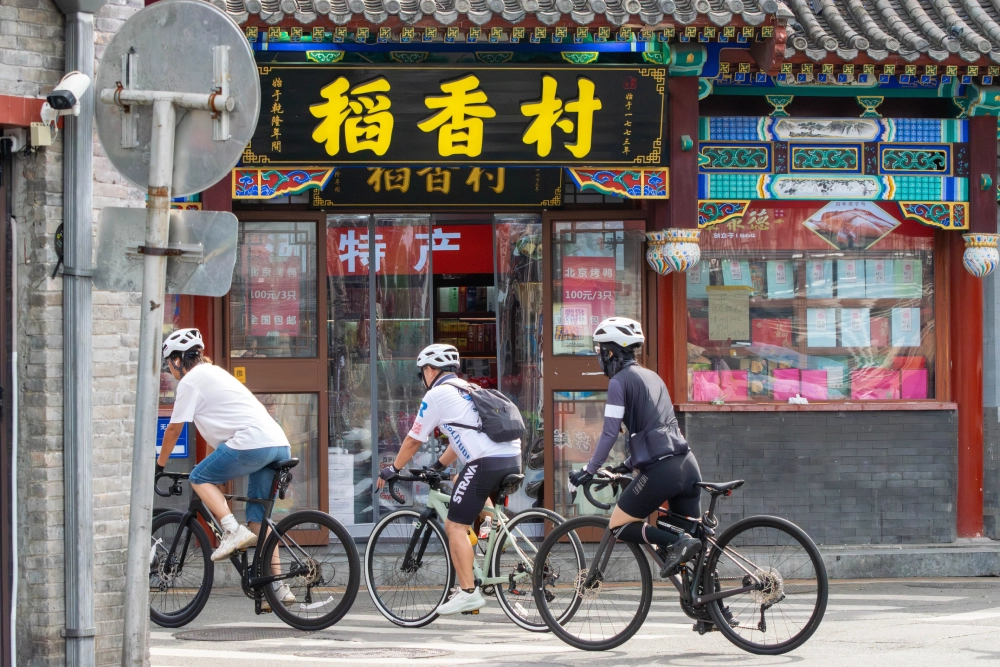
Cycling has similarly developed into a visible urban subculture, combining exercise with social interaction and—for more committed enthusiasts—substantial spending on bicycles, clothing and accessories. Meanwhile, hiking, skiing, climbing and water sports are also attracting new participants.
Outdoor sports are also stimulating demand for specialist equipment, although growth varies significantly across product categories.
At the same time, participation statistics reveal a more nuanced picture. Although more than 500 million people are counted as outdoor sports participants, the proportion of Chinese residents exercising regularly increased only modestly, from 37.2% in 2020 to 38.5% in 2025.
“The boom is wide rather than deep,” Dudarenok says. “Many more Chinese are trying hiking, skiing or trail running at least once, and the people who already loved sport are spending far more time and money on it.”
Why fitness survives the spending slowdown
China’s outdoor sports boom appears particularly striking when compared against the country’s consumption slump. But the industry’s resilience is not universal.
In the first eight months of 2026, retail sales of sports and recreational articles at enterprises above the designated size declined 3.7%, according to the National Bureau of Statistics, even as total retail sales increased 1.1%.
These numbers suggest that consumers are not necessarily spending more on sports overall. Instead, spending is increasingly concentrated in particular activities, brands and experiences.
“Sports are the new aspiration for Chinese consumers, and the return on investment is high in terms of feeling good and bonding with friends,” Malmsten says.
Unlike many retail purchases, spending on exercise can be justified as an investment in physical and mental well-being. Running, hiking and cycling can also offer relatively affordable experiences compared with international travel or luxury purchases. Even expensive equipment may appear more defensible when associated with health and long-term use.
“Chinese consumers are cutting spending that is about showing off and keeping spending that is about becoming someone: fitter, calmer, part of a group,” Dudarenok says.
This is especially relevant for younger consumers balancing financial uncertainty with the desire for meaningful experiences. A pair of running shoes can provide months of exercise, and a weekend hiking trip offers recreation, social interaction and travel without necessarily requiring substantial spending.
This changing perception of health also aligns with government priorities. In 2024, China’s National Health Commission launched a three-year weight management campaign, reflecting growing concern about the long-term economic and social costs of poor health.
Sport as a social currency
Linda Wang, a corporate worker from Shanghai, is part of a club that organizes hikes in the mountains of nearby Zhejiang and Jiangsu on weekends. “Going hiking for me is not only about the exercise and beautiful scenery, but it makes me feel part of a community and has allowed me to make several close friends,” she says.
Activities such as hiking groups offer opportunities to meet people through shared interests, often without the commitment associated with more formal social organizations. And social media has played a central role.
“Social media gets people to the trailhead, and clubs keep them coming back,” Dudarenok says.
Platforms such as Xiaohongshu, also known as RedNote, have become important sources of inspiration and practical information. Users share routes, equipment recommendations, photographs and accounts of their experiences, helping introduce activities to new audiences.
Xiaohongshu has also become a significant discovery platform for outdoor enthusiasts, although independently verifiable platform-wide search figures are limited.
The influence extends to fashion. Gorpcore, a trend in which outdoor sportswear has become everyday streetwear, has helped transform brands once associated primarily with specialist athletes into desirable lifestyle labels.
“The new ‘treasures of the middle class’ (zhongchan sanbao, a Chinese social-media expression for aspirational status brands) on social media are Arc’teryx, Descente, Salomon and Lululemon,” Malmsten says. “People are wearing these brands in occasions where they’d have previously worn luxury fashion.”
For many consumers, such sportswear increasingly communicates aspirations around health, leisure and an active lifestyle, even when the wearer is not participating in the activities for which the clothing was designed.
For brands, the commercial implications are significant. Rather than simply selling equipment, companies can cultivate communities through organized runs, outdoor events and sponsorships, building relationships with consumers around shared experiences.
However, the overlap between fashion and fitness also raises questions about the durability of demand. “Some of the growth now is more out of fashion interest rather than sports interest, and fashion trends change,” Malmsten says.
Who is cashing in?
The shift toward active lifestyles is creating opportunities for sportswear manufacturers, equipment suppliers and businesses catering to recreational athletes. But the strongest growth is increasingly concentrated among specialist brands able to combine technical performance with lifestyle appeal.
Anta Sports has been particularly successful in positioning itself across different segments of the market. The Chinese company is the largest shareholder in publicly listed Amer Sports, whose portfolio includes Arc’teryx and Salomon, while also operating Descente and Kolon Sport in China.
The contrast is not simply between specialist and mainstream brands. Nike reported declining Greater China revenue in fiscal 2026, while Adidas recorded 16% currency-neutral growth in the region in the first half of 2026, showing that established global sportswear groups are experiencing sharply different fortunes.
Amer Sports reported strong Greater China growth in the second quarter of 2026, while Anta has continued to develop its specialist outdoor portfolio. By contrast, Li Ning’s revenue increased just 2.8% in the first half of the year, illustrating the uneven performance of China’s sportswear market.
Domestic outdoor brands are also making inroads into a market previously dominated by international competitors.
Domestic outdoor brands are also making inroads into a market previously dominated by international competitors. Pelliot has expanded its performance outdoor clothing business, while Chinese climbing and mountaineering specialist Kailas sells some premium products priced above RMB 10,000 ($1,408).
“Chinese sports brands have received some of the most benefit,” Malmsten says. “They have been investing more in creating products that compete globally, and as Chinese consumers have higher and higher standards for gear and apparel, Chinese brands have been raising the bar with them.”
The opportunities are not just limited to clothing and equipment. Sporting events can generate demand for accommodation, transport, restaurants and tourism services, providing an economic incentive for local governments to attract participants and spectators.
Jiangsu’s provincial football league, known as the Su Chao, attracted large crowds during its inaugural 2025 season. The provincial commerce department estimates that every yuan spent on tickets generated another RMB 7.30 in surrounding consumption.
For local economies, the appeal is that sporting activities can bring visitors to destinations that might otherwise struggle to attract substantial tourism spending.
Government gets behind the boom
Beijing now sees sports as a means of stimulating domestic consumption while also addressing public health concerns.
Under guidelines issued by the State Council in September 2025, China aims to expand its sports industry to more than RMB 7 trillion ($986 billion) by 2030, compared with RMB 3.84 trillion in 2024. The measures include support for sporting events, outdoor recreation, winter sports and equipment manufacturing.
The government is also investing in public infrastructure, including trails, sports venues and recreational facilities. Its latest five-year sports development plan targets increasing the proportion of residents who exercise regularly to around 40% by 2030.
Such investment serves multiple purposes. Improved facilities can encourage participation, while sporting events and outdoor tourism create commercial opportunities for businesses beyond the sports industry itself.
“Sport is now part of Beijing’s plan to lift consumption,” Dudarenok says.
The policy push also reflects a widening geographical market. Although wealthy consumers in major cities remain important to premium outdoor brands, demand is also expanding in smaller urban markets. Separately, outdoor sporting events and recreation can attract visitors to less-developed destinations, creating opportunities for local tourism businesses.
Consumers in third- and fourth-tier cities account for 42% of national outdoor sports consumption, according to government figures. That points to demand spreading beyond China’s largest cities, although it does not by itself establish increased spending in rural areas.
Nevertheless, government enthusiasm carries risks. As local authorities compete to develop sporting destinations and attract events, oversupply could emerge, particularly if multiple regions invest in similar facilities without sufficient long-term demand.
Limits to the boom
Individual trends are vulnerable to changing fashions. Camping’s rapid expansion during the pandemic, followed by a cooling of demand as international and domestic travel resumed, illustrates how quickly recreational preferences can change.
Premium outdoor brands face an additional challenge: persuading consumers that expensive technical clothing and equipment offer sufficient value in a weak economic environment.
Meanwhile, specialist activities such as skiing, climbing and mountaineering can involve significant financial and logistical barriers, limiting their accessibility beyond relatively affluent consumers.
There are also questions about whether the enthusiasm generated by social media translates into lasting participation.
“Some of China’s hikers are just ‘doing it for the gram’—or XHS in this case,” Malmsten says.
Yet the underlying shift toward healthier lifestyles may prove more durable than individual consumer fashions.
“What makes a sport’s growth sustainable is when youth become lifelong athletes, and that seems to be happening across a range of sports in China,” Malmsten says.
The next stage of development could also look different from the initial boom. Greater participation among women and older consumers may create demand for lower-intensity activities, coaching, organized experiences and other services rather than simply more expensive equipment.
Dudarenok expects the industry to become increasingly focused on experiences and services, with more competition among sporting events and greater emphasis on retaining participants. “The habit is sustainable and the gear boom will cool,” she says.
For China, the implications extend beyond sportswear manufacturers and equipment suppliers. Outdoor recreation offers consumers an increasingly accessible combination of exercise, travel, community and personal fulfillment, while creating new sources of demand for local economies.
Chinese consumers may be tightening their belts, but many are still lacing up their running shoes.
Enjoying what you’re reading?
Article Subscribe (1)
CKGSB Report






Related Articles
Our Programs

Emerging Tech Management Week: Silicon Valley
Global Unicorn Program Series
In partnership with UC Berkeley College of Engineering
A technology management program for leaders looking to turn emerging technologies into business opportunities.
Combining proven strategies and cutting-edge research, the program helps participants fuel innovation, seize opportunities in emerging technologies, and catalyze transformation within their organizations. Designed for managers, start-up leaders, and technology investors, it includes visits to venture capital firms and technology companies, alongside mentored group projects.
LocationUC Berkeley, California, United States
Date01 - 06 Nov, 2026
LanguageEnglish
Stanford & Silicon Valley Immersion Program
Global Unicorn Program Series
In partnership with Stanford Engineering Center for Global & Online Education
A Silicon Valley immersion for entrepreneurs, intrapreneurs, and investors leading and scaling AI-driven companies.
The program combines academic learning with visits to AI and robotics labs and Silicon Valley companies, giving participants direct exposure to emerging technologies and the businesses developing and applying them.
LocationStanford University Campus, California, United States
Date06 - 11 Dec, 2026
LanguageEnglish with Chinese Translation
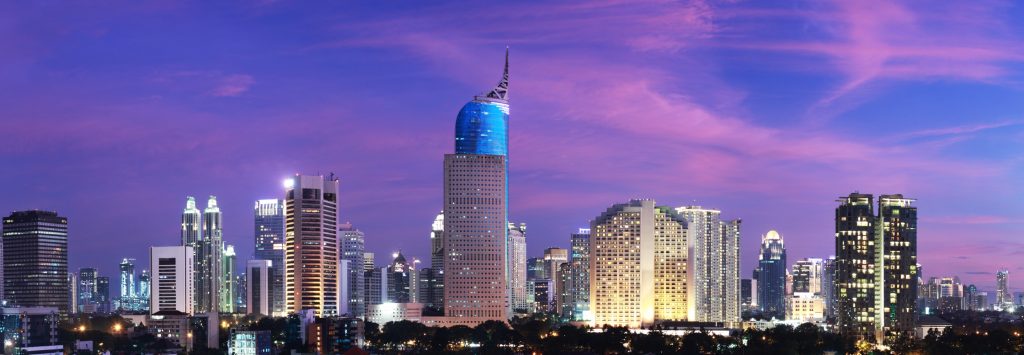
Emerging Markets: Innovation and Scaling for Exponential Growth – ASEAN
A China-focused innovation program for ASEAN executives and business owners responding to the impact of AI on their industries.
Gain insights from leading Chese thinkers in Jakarta, with an optional immersion in China and opportunities to connect with the business leaders driving innovation. The program offers a closer look at how developments in China could affect your industry and business.
LocationJakarta, Indonesia
Date23–26 March 2027
LanguageEnglish (with Chinese translation)
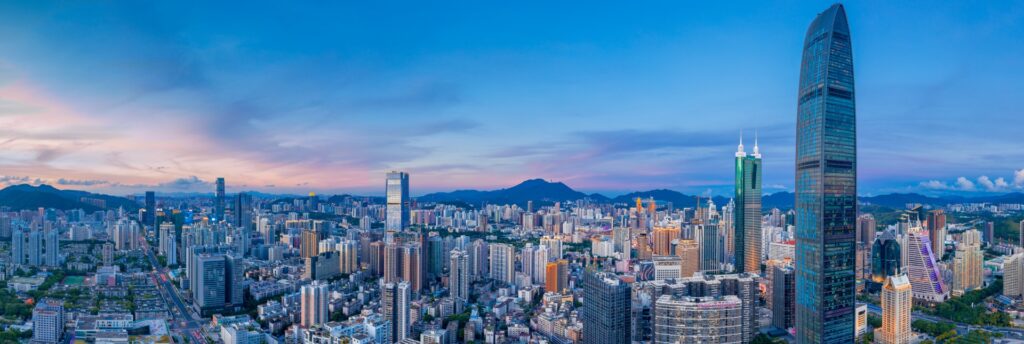
Asia Start: AI + Digital Ecosystem China Expedition
An immersive program for entrepreneurs and executives looking to understand China's AI and digital economy firsthand.
Gain the latest trends and insights, strategies, and connections to overcome challenges and support future business growth in Asia and beyond.
LocationChina (Beijing, Shanghai, Hangzhou & optional Shenzhen)
DateApril 19–24, 2027
LanguageEnglish

Intelligent China: AI, EVs & Smart Manufacturing
A three-part program examining China’s advances in AI, electric vehicles, and smart manufacturing.
Through faculty-led sessions, company visits, and exchanges with industry leaders, gain practical insights for your organization's strategy, partnerships, and investment decisions. Join an individual four-day program or complete the full 12-day series.
LocationBeijing, Shenzhen, Shanghai, and Hangzhou
DateSummer – Winter 2027 (three 4-day programs)
LanguageEnglish