
China’s Domestic Luxury Brands: The shifting culture of luxury
July 24, 2026
China’s homegrown luxury brands are redefining the local luxury market, but a lack of heritage and consistent identity are proving a barrier to international expansion
China’s luxury brands are taking root at home, but barriers remain abroad
Luxury consumers in Beijing gathered to snap up last minute bargains at the six-floor Galeries Lafayette department store in late May, as the French luxury brand shifted leftover stock while closing its erstwhile China flagship store. The retailer has not left China entirely, but the closure of the outlet after 13 years of operation is indicative of the slow shift away from international brand dominance in China’s luxury market.
China’s initial embrace of luxury goods after the 1990s was overwhelmingly internationally focused, but more cautious consumption and changing attitudes towards what actually constitutes luxury in recent years have led to the emergence of a different trend. Today, a growing number of China’s luxury buyers are looking to nascent domestic luxury clothing and accessories brands, such as SHANG XIA, ICICLE and SHUSHU/TONG, as well as local brands in a growing number of sectors, such as EVs and Baijiu, through which China is beginning to define for itself what luxury can mean.
“Consumer confidence in domestic brands and cultural pride have increased in recent years, particularly among younger cohorts who seek identity, creativity and local relevance,” says Kenneth Chow, Principal at management consulting firm Oliver Wyman. “This has helped Chinese domestic luxury progress from niche designer labels into a more complete ecosystem spanning jewelry and watches, and increasingly fashion, premium wine and spirits and other non-traditional areas.”
Western luxury in China
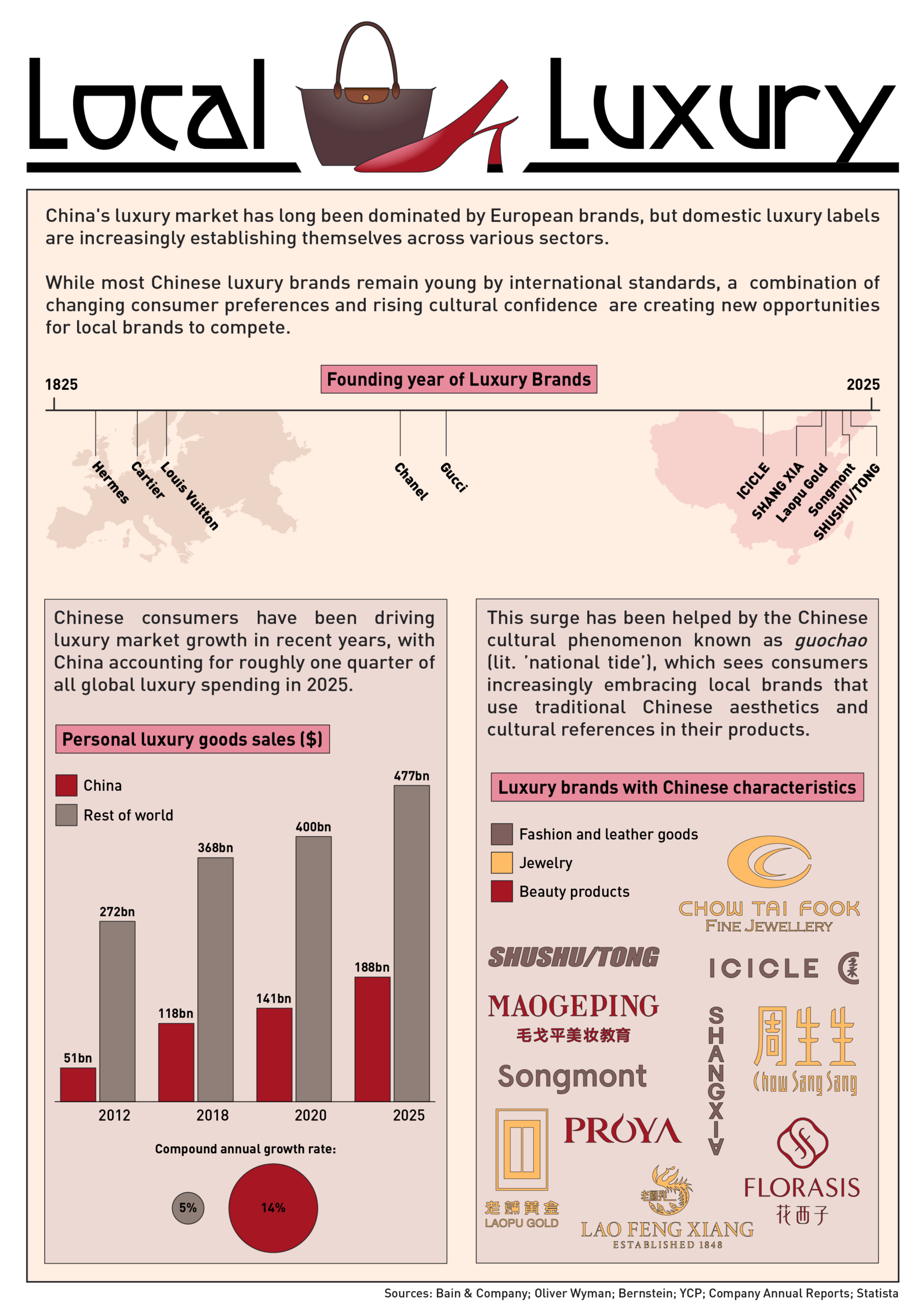
Over the past 30 years, China has grown into the world’s largest luxury market, accounting for roughly one-quarter of global luxury spending in 2025, according to Bain & Company. As the country’s economy boomed, Western labels such as Louis Vuitton, Gucci and Hermès became closely associated with status, wealth and modernity, driving a rapid expansion of luxury retail across major Chinese cities. Despite some hurdles in their growth, such as counterfeit goods and some poorly judged advertising campaigns, the trajectory was largely positive for decades.
“Before around 2018, the norm of what was seen as luxury in China was largely defined by what big brands such as Richemont or Hermès were doing, and that was based on very deep brand history, product craftsmanship, extraordinary retail experiences and, most importantly, ultra expensive pricing,” says Charles Wang, Managing Partner and Greater China Regional CEO at strategic advisory firm YCP.
But in recent years, after continued expansion during the pandemic era, China’s luxury market has experienced a significant slowdown, with Bain & Company estimating that the mainland personal luxury market had contracted a 3–5% in 2025, after an 18-20% contraction in 2024. The market is expected to return to modest growth in 2026, according to Bain.
This downturn, and more generally the weakening consumer spending and increased savings rates in the country, have resulted in a shift in the perception of what luxury means in China, as well as the requirement of a luxury item or experience to come with an international brand’s label attached.
“Consumers are being much smarter and more careful about where they spend, even the high-net-worth individuals (HNWIs),” says Wang. “They are thinking with more depth into why things are expensive and what the story behind the product craftsmanship means to them, and that is an opportunity, especially for the domestic brands that understand consumer better, to redefine luxury categories to some degree.”
The rise of domestic luxury
The emergence of Chinese luxury brands has been more gradual than sudden. Some labels, such as furniture and fashion designer SHANG XIA, were founded more than a decade ago, with explicit ambitions to reinterpret Chinese craftsmanship through a modern luxury lens, and others are popping up only just now.
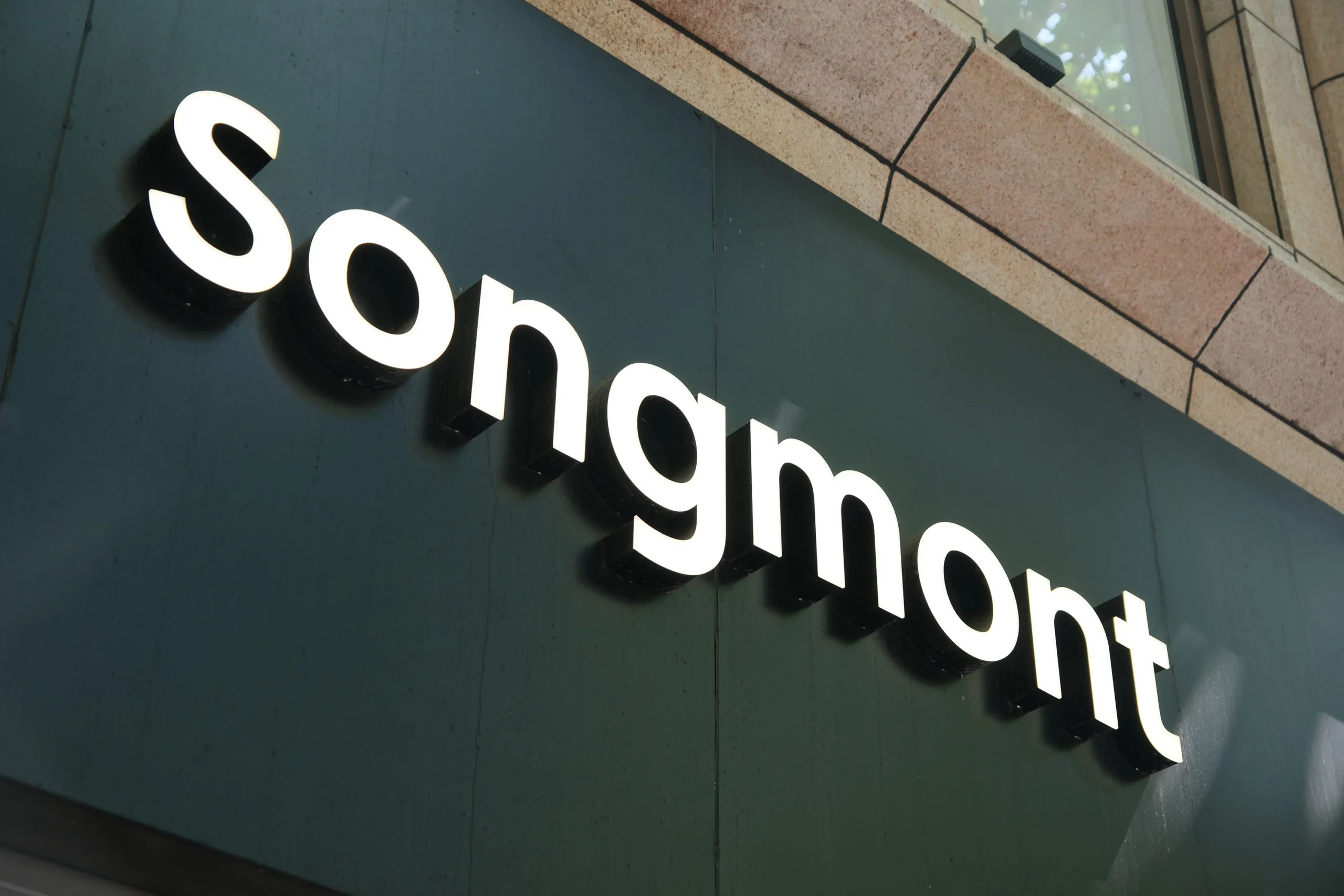
Established in 2008 with backing from Hermès, SHANG XIA positioned itself around traditional Chinese materials and artisanal techniques, from bamboo weaving to porcelain and cashmere. Fashion brand SHUSHU/TONG took a different approach, gaining international attention through playful, feminine ready-to-wear collections shown at London Fashion Week, while Songmont has built a following around minimalist leather goods marketed heavily through Chinese social media platforms.
“These brands have slowly strengthened product development, retail execution and storytelling that draws on Chinese culture with more contemporary expression,” says Chow. “Quality has improved materially, supported by maturing supply chains, better materials access and stricter quality control. Digitally native growth models have also accelerated awareness and conversion through social commerce, community building and direct engagement.”
Price has also played a role in growth. Domestic luxury brands mostly sell products at lower prices than their European counterparts while maintaining relatively high manufacturing quality. A handbag from Songmont, for example, may retail for a fraction of the cost of a comparable European luxury bag, making it more accessible to younger middle-class consumers.
“The most important success cases in China are arguably in the entry price segment,” says Luca Solca, Managing Director and Global Head of Luxury Goods at Bernstein. “Songmont in handbags is the epitome of that. Jeweller Laopu Gold is another example—they have a lower gross margin percentage and higher gold content than western jewellery peers.”
Jewellery maker Laopu Gold listed on the Hong Kong stock exchange in 2024, and by January 2026 the company’s share value had risen 800%. Songmont has been another prominent success story, with its online sales of its handbags growing around 90% in 2025. What’s more is this came as Gucci’s handbag sales dropped more than 50% over the same period.
“The strategy of Chinese brands in general seems to follow a recurring pattern: they come in from the bottom with quality products. This has been the case, not only in leather goods but also in cars and beauty and more,” adds Solca.
One reason for the shift has been the rise of guochao, a celebration of domestic culture and Chinese brands, or at least a recognition that they represent quality. Originally associated with sportswear and streetwear, the trend has expanded into cosmetics, food and drink, electronics and increasingly higher-end fashion and lifestyle products.
Beyond guochao, younger consumers are also embracing “quiet luxury”—products that emphasize craftsmanship, materials and design over conspicuous logos. In that environment, many Chinese brands have found space to position themselves as more understated alternatives to global labels.
“To a certain extent, Chinese consumers view international luxury goods as symbols of status and prestige, or believe that the materials and brand influence of these products reflect a rich heritage, while their designs align with current fashion trend,” says Kim Shi, a 30-year-old professional in the cosmetics industry in Shanghai and keen luxury shopper. “However, Chinese brands offer traditional styles that are better suited to Chinese consumers.”
Luxury with Chinese characteristics
Over the past decade, the developing paradigm of Chinese luxury has bifurcated. Rather than only competing in Western brand-led segments, some brands are now building luxury into new categories where China already possesses deep cultural roots or technological leadership.
“Previously Chinese brands would offer expensive goods with a Chinese façade in categories dominated by the Western luxury houses,” says Wang. “Now, there has been a split between the re-invention of luxury in those Western-dominated categories, alongside the creation of new categories that can be seen as luxury with Chinese characteristics. Both are gaining strong momentum in China and share the same HNWI clientele as Cartier, Hermes, Hennesey and Porsche.”
“Manufacturing capability is essential, and can help luxury brands deliver consistent quality, finishing, fit and material integrity at scale,” says Chow. “However, manufacturing alone does not create luxury. Brand equity is built through creative direction, iconic design codes, controlled distribution, exceptional service and sustained cultural relevance.”
Domestic recognition and going international
For China’s domestic brands, business success has been increasingly forthcoming in recent years, but success as ‘luxury’ brands in the China market can still be elusive in the eyes of many consumers. And this can have a knock-on effect on their ability to succeed internationally.
“I don’t really view Songmont or SHUSHU/TONG as luxury brands,” says Shi. “I think for it to be seen as luxury a brand needs to be among the top three in its current category, have a high price point and be influential on the international stage.”
“This view is not uncommon among consumers in China,” says Wang. “But it presents something of a paradox for these brands. To be among the top three in your category in China you need massive scale, but historically, success for luxury brands in international markets is based on scarcity.”
For decades, Western luxury brands have built identities associated with craftsmanship, exclusivity and cultural prestige, with many European luxury houses emphasizing histories stretching back more than a century. The dearth of these characteristics for most Chinese brands, as well as the mixed perceptions around the “Made in China” label, present barriers to international expansion.
“Many consumers now recognize China as a high-capability manufacturing base, but in luxury specifically, the label can still trigger concerns around heritage, artisanal tradition and perceived exclusivity, shaped by decades of mass-market positioning and counterfeit narratives,” says Chow.
Chinese brands have also faced difficulties in brand storytelling and cultural transfer. For example, leading baijiu brand Kweichow Moutai is arguably one of the few Chinese brands that actually has a history and domestic prestige that sets it apart on the international stage. But despite investing heavily in overseas marketing in recent years, it remains niche outside of the Chinese diaspora due to an inability to translate its history, importance and value across borders.
Generating greater cultural understanding is not an impossible task, and Japan’s experience offers a possible comparison. Japanese brands once faced skepticism regarding quality in Western markets during the postwar era. Over time, however, companies such as Toyota and Sony transformed perceptions through decades of consistency and innovation.
While Europe and North America remain difficult target markets in the near term due to a lack of cultural crossover, Southeast Asia represents an opportunity. “More immediate success is most likely found in overseas markets with strong tourism links and meaningful Chinese presence, such as Southeast Asia, where cultural proximity can accelerate trust,” says Chow.
Price positioning could further support expansion in these markets, as Chinese luxury products are often significantly more affordable than European alternatives while offering comparable materials or craftsmanship.
“Chinese brands are still a long way away from challenging Western brands at the top of the luxury goods industry, but we expect them to be more proactive in the entry segment,” says Solca. “This could be eventually a problem for American accessible luxury brands, but not yet, as the likes of Polo Ralph Lauren and Coach are still doing very well.”
Taking time to find a style
China has already proven it can build globally competitive tech companies, dominate manufacturing and reshape consumer industries, but building true, globally renowned luxury brands that stand the test of time may be the biggest challenge yet.
Luxury is a long-cycle business in which trust in quality and service reputation take years to build, and while some brands are now finding an approach that can feel both authentically Chinese and internationally legible, many of the newcomers in China are yet to fully settle down.
“A distinctive identity depends on consistent expression across seasons and categories, stable creative leadership and the discipline to sharpen recognizable brand codes over time, so while a distinct design identity is emerging, it remains uneven across brands and categories,” says Chow. “Many Chinese brands remain in an experimentation phase and as a result, they and the industry will take time to fully mature.”
Enjoying what you’re reading?
Article Subscribe (1)
CKGSB Report




Related Articles

Our Programs

Scaling Innovation: AI and Digital Strategies for Business Transformation
Global Unicorn Program Series
In partnership with Columbia Engineering
This program is designed to equip senior executives with the strategic insights and tools necessary to lead in this transformative era.
LocationNew York, USA
Date27 Sep - 02 Oct, 2026
LanguageEnglish

Emerging Tech Management Week: Silicon Valley
Global Unicorn Program Series
In partnership with UC Berkeley College of Engineering
This program equips participants with proven strategies, cutting-edge research, and the best-in-class advice to fuel innovation, seize emerging tech developments, and catalyse transformation within your organization.
LocationUC Berkeley
Date01 - 06 Nov, 2026
LanguageEnglish
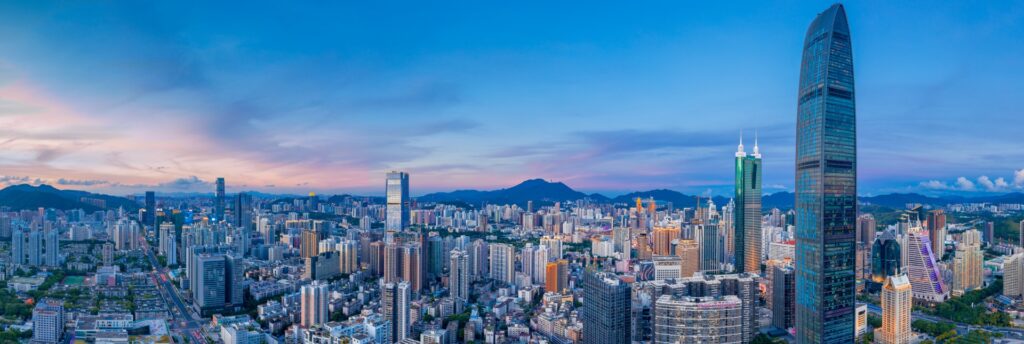
Asia Start (15th Edition): AI + Digital China Expedition
Asia Start provides entrepreneurs and executives with unparalleled access to Asia’s dynamic digital economy and its business ecosystems, offering the latest trends and insights, strategies, and connections to overcome challenges and unlock future growth for your business in Asia and beyond.
LocationChina (Beijing, Shanghai, Hangzhou & optional Shenzhen)
DateNovember 2-7, 2026
LanguageEnglish

Intelligent China: AI, EVs & Advanced Manufacturing
Participants may join the full 12-day journey or select individual modules based on their interests and priorities.
LocationBeijing · Shenzhen · Shanghai & Hangzhou
Date12 Days
LanguageEnglish
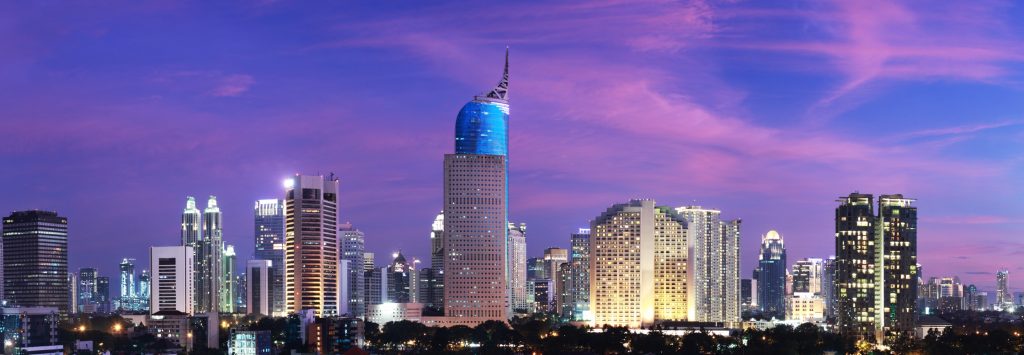
Emerging Markets: Innovation and Scaling for Exponential Growth – ASEAN
Learn China's AI and innovation strategy from its leading thinkers — brought to you in Jakarta, with an optional immersion in China — and connect with the business leaders driving it.
LocationJakarta, Indonesia
Date2–4 December 2026
LanguageEnglish (with Chinese translation)
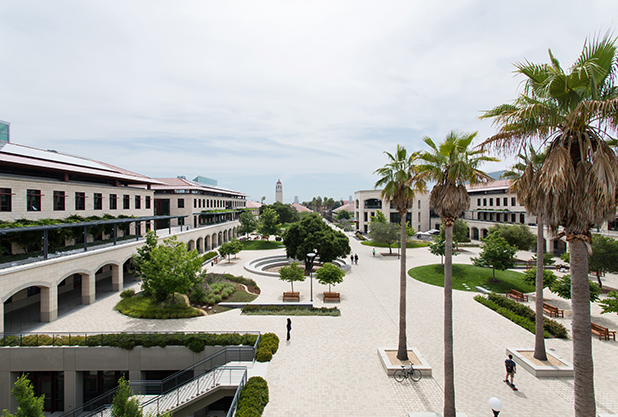
Stanford & Silicon Valley Immersion Program
Global Unicorn Program Series
In partnership with Stanford Engineering Center for Global & Online Education
This CKGSB program equips entrepreneurs, intrapreneurs and key stakeholders with the tools, insights, and skills necessary to lead a new generation of unicorn companies.
LocationStanford University Campus,
California, United States
Date06 - 11 Dec, 2026
LanguageEnglish with Chinese Translation