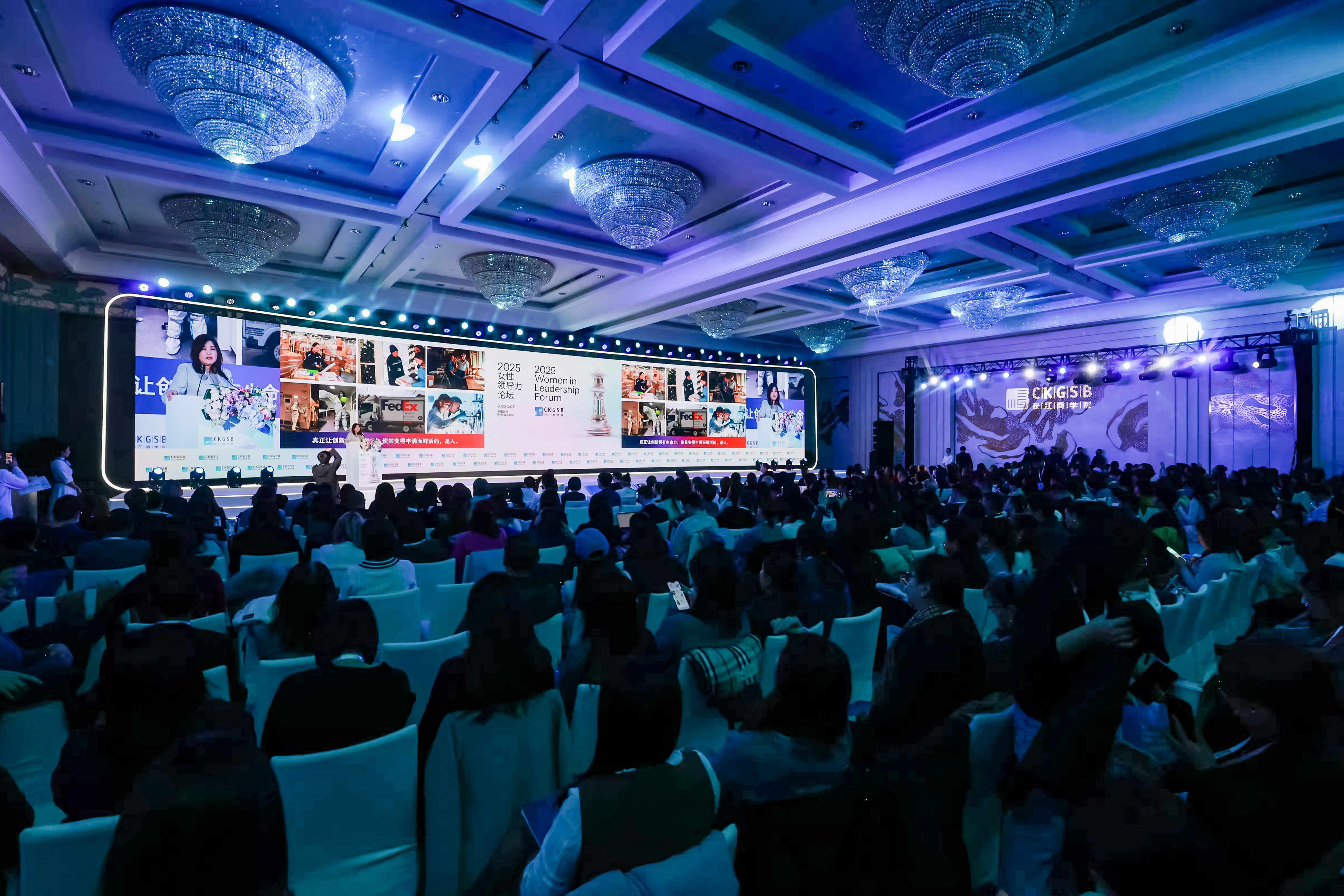
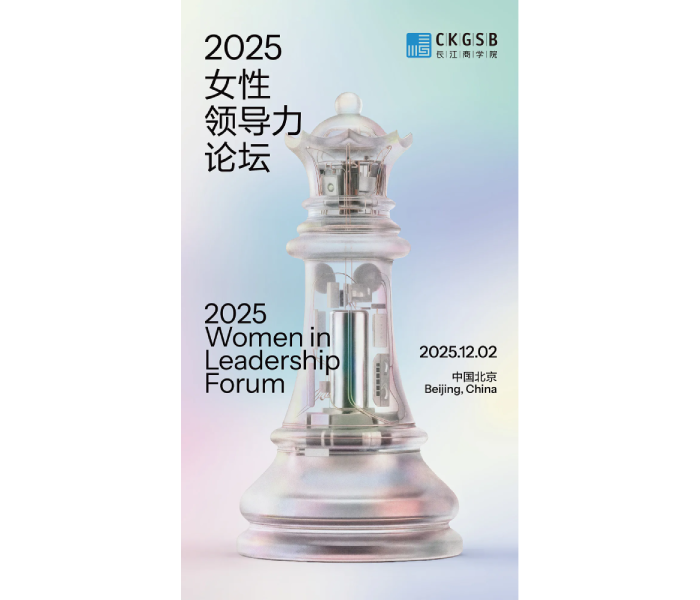
Cheung Kong Graduate School of Business (CKGSB) successfully held its 2025 Women in Leadership Forum on December 2, 2025, in Beijing. Now in its 12th year, the forum has become one of China’s leading platforms for addressing women’s leadership. This year, over 500 executives and 19 distinguished speakers gathered to explore how women are driving technology, brand and IP innovation.
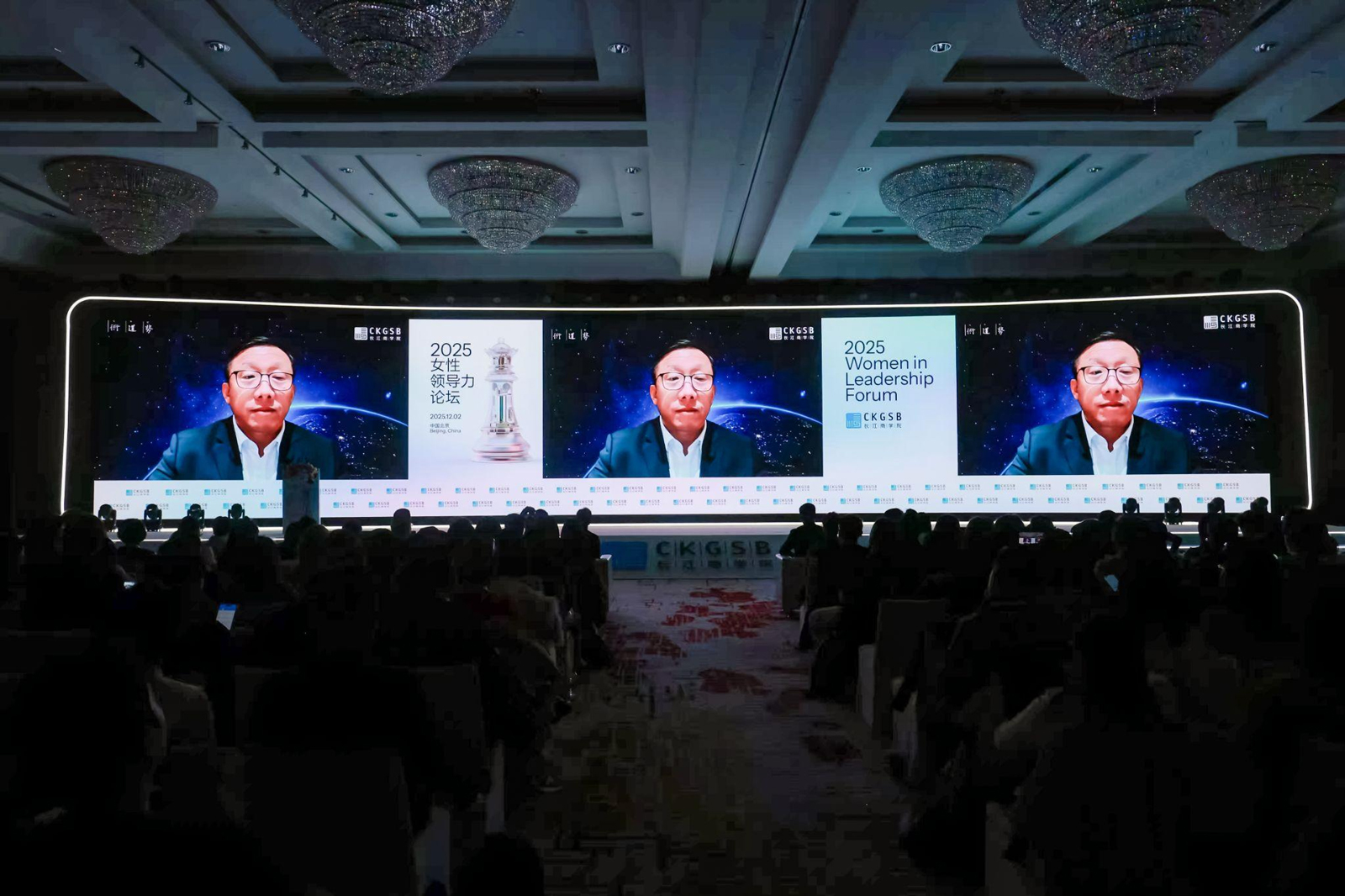
In his opening remarks, CKGSB Dean Li Haitao highlighted remarkable progress: “Female students in our MBA program have grown from 16% in 2003 to 49% today, while women in EMBA increased from 19% to 36%.” He announced the school’s ambitious AI+ strategy, including the recently launched CKGSB AI+ Industry Alliance that aims to support 10,000 enterprises in AI transformation over the next decade. Dean Li also emphasized CKGSB’s pioneering role in establishing the Women in Leadership Program (Juanyong)—China’s first holistic education platform specifically designed for women leaders.
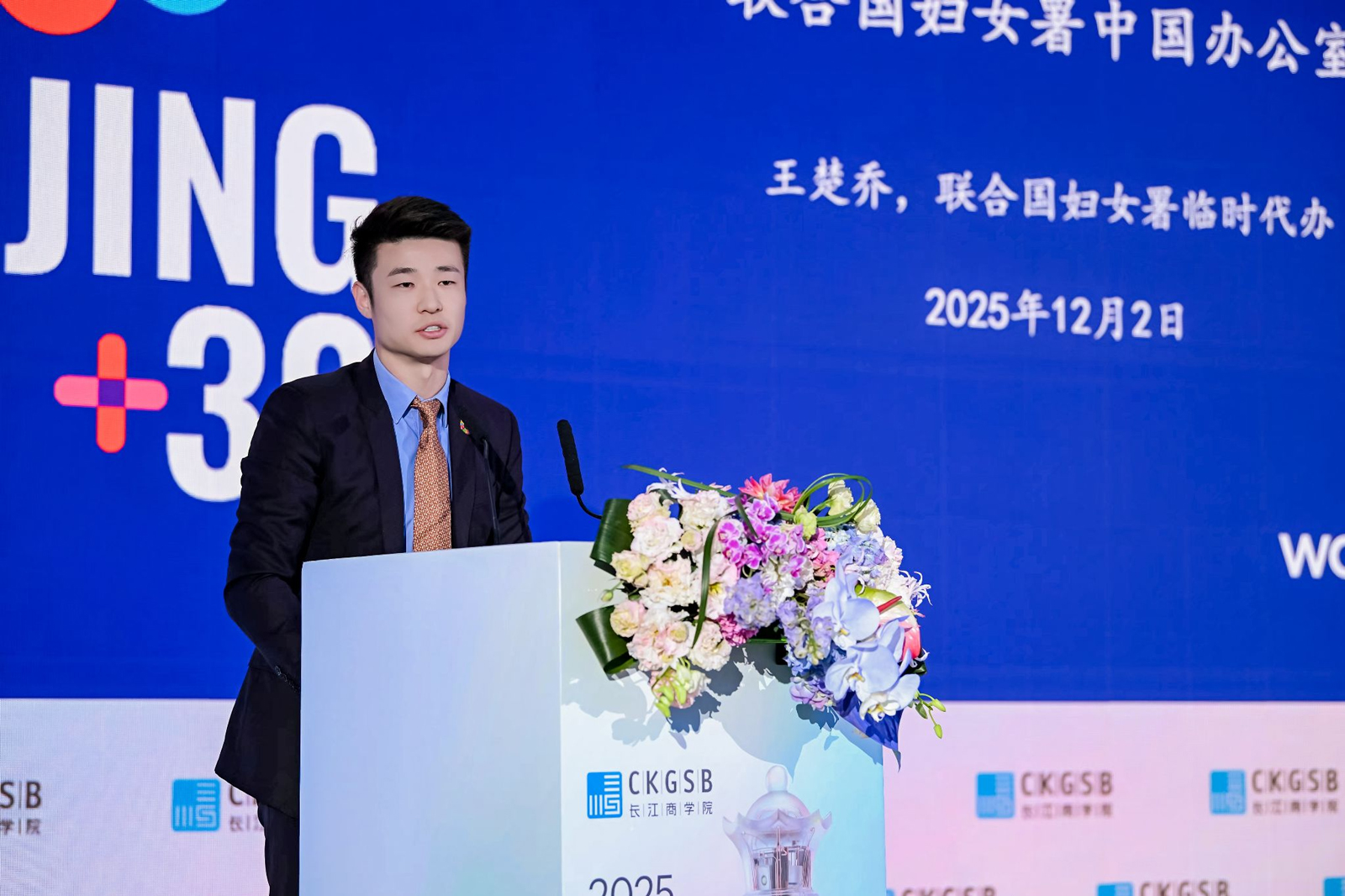
Chu Q. Wang, UN Women China Head of Office (a.i.), opened the keynote sessions by contextualizing the discussion within the 30th anniversary of the Beijing Declaration—the landmark 1995 UN Fourth World Conference on Women statement. He emphasized the quantifiable business benefits: “When women hold more board positions, companies not only perform better in the market but also manage volatility more effectively.” Wang cited research showing that gender equality could add $4 trillion to China’s GDP, noting that women already make 75% of household consumption decisions in China, representing a massive economic force that companies must understand and serve.
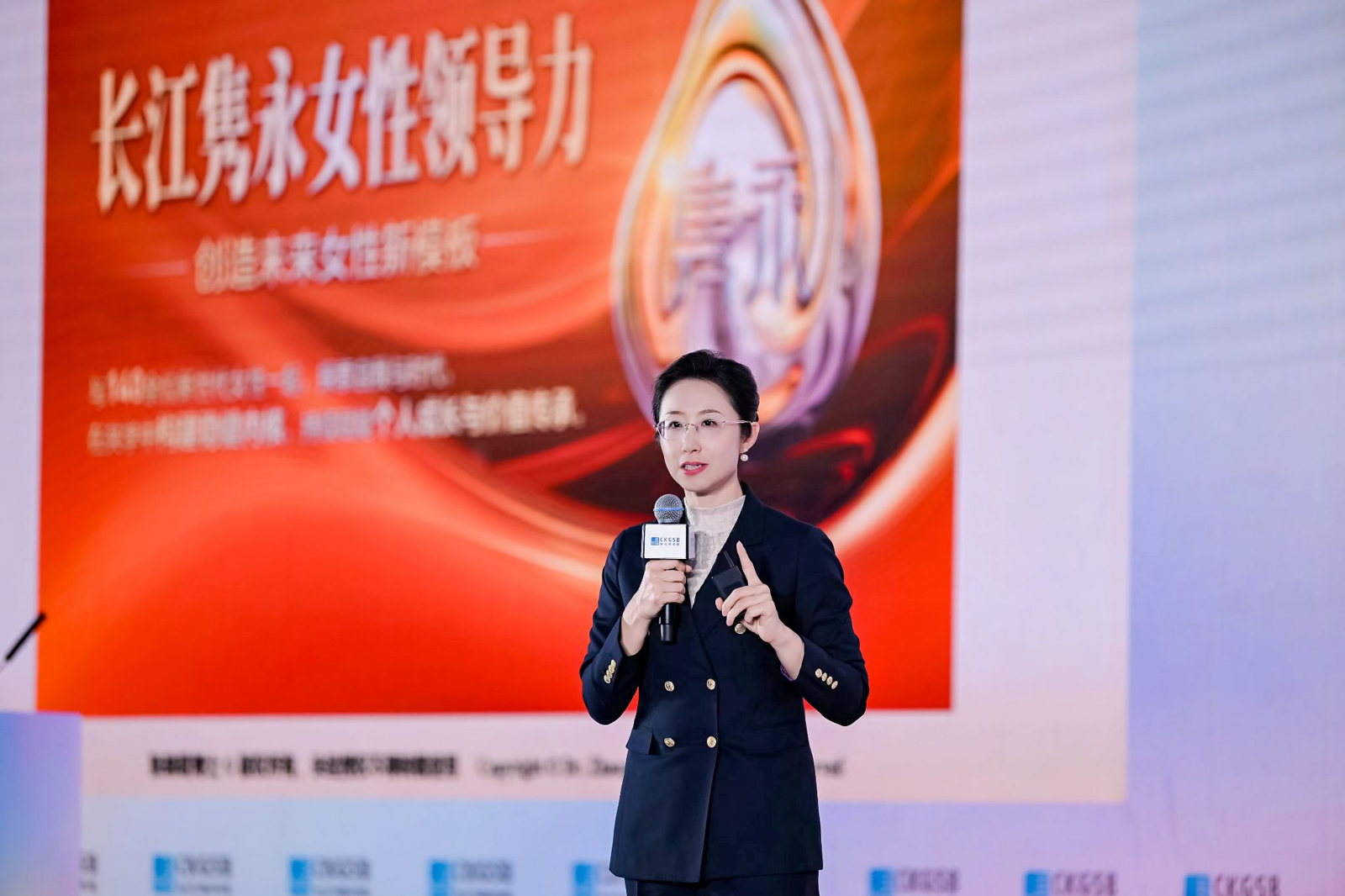
This was reinforced by groundbreaking research presented by Zhang Xiaomeng, CKGSB Associate Professor of Organizational Behavior and Associate Dean for the EMBA program. Her study, based on over 180,000 surveys collected across China over six years—one of the country’s largest longitudinal leadership studies—challenged conventional assumptions about gender and technology.
“Women use AI more frequently than men, and those with higher education and longer workplace experience are more prone to accepting and using AI tools,” Professor Zhang stated. While 85% of survey respondents expressed concerns about being replaced by AI, her research revealed a paradox: the higher the frequency of AI use, the more significantly anxiety levels decrease.
Perhaps most striking was her data on gender differences at the executive level. “When it comes to top executives, gender differences are statistically insignificant”, Professor Zhang stated. Her research introduced the concept of “resilience squared”—the multiplicative effect of emotional resilience and cognitive resilience working together to create sustainable leadership capacity.
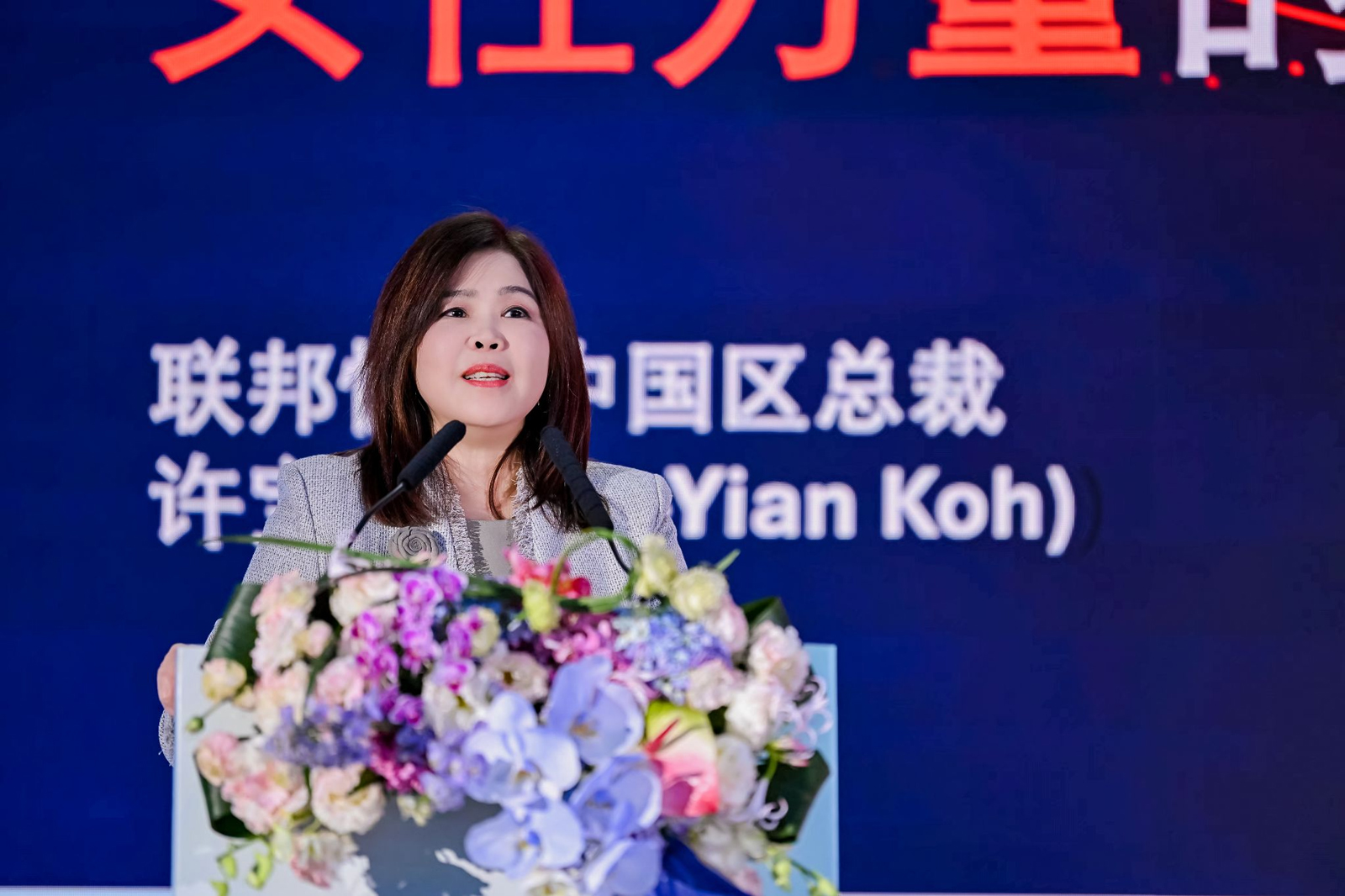
Practical examples of this transformation came from Poh-Yian Koh, President of FedEx China, who delivered one of the forum’s most inspiring stories of organizational change. She described how FedEx’s digital training camp initially faced resistance from frontline employees—delivery staff who preferred “driving 100 kilometers over sitting at a computer for 10 minutes.”
The breakthrough came during a crisis: when February 2025 tariff policy changes created urgent customs declaration challenges, these same training camp graduates used their newly acquired skills to develop PowerApps solutions that solved critical customer problems. “Innovation is not about replacing people with robots, but freeing people to do work requiring judgment, empathy, and connection”, Koh emphasized.
She identified three distinctive strengths women bring to AI-era leadership: exceptional empathy, long-term strategic vision, and bridge-building abilities that connect technology with humanity. “In the era of AI, women’s flexibility and resilience are transforming into core strengths,” Koh noted.
Throughout the day, roundtable discussions explored how women are driving innovation across multiple sectors.
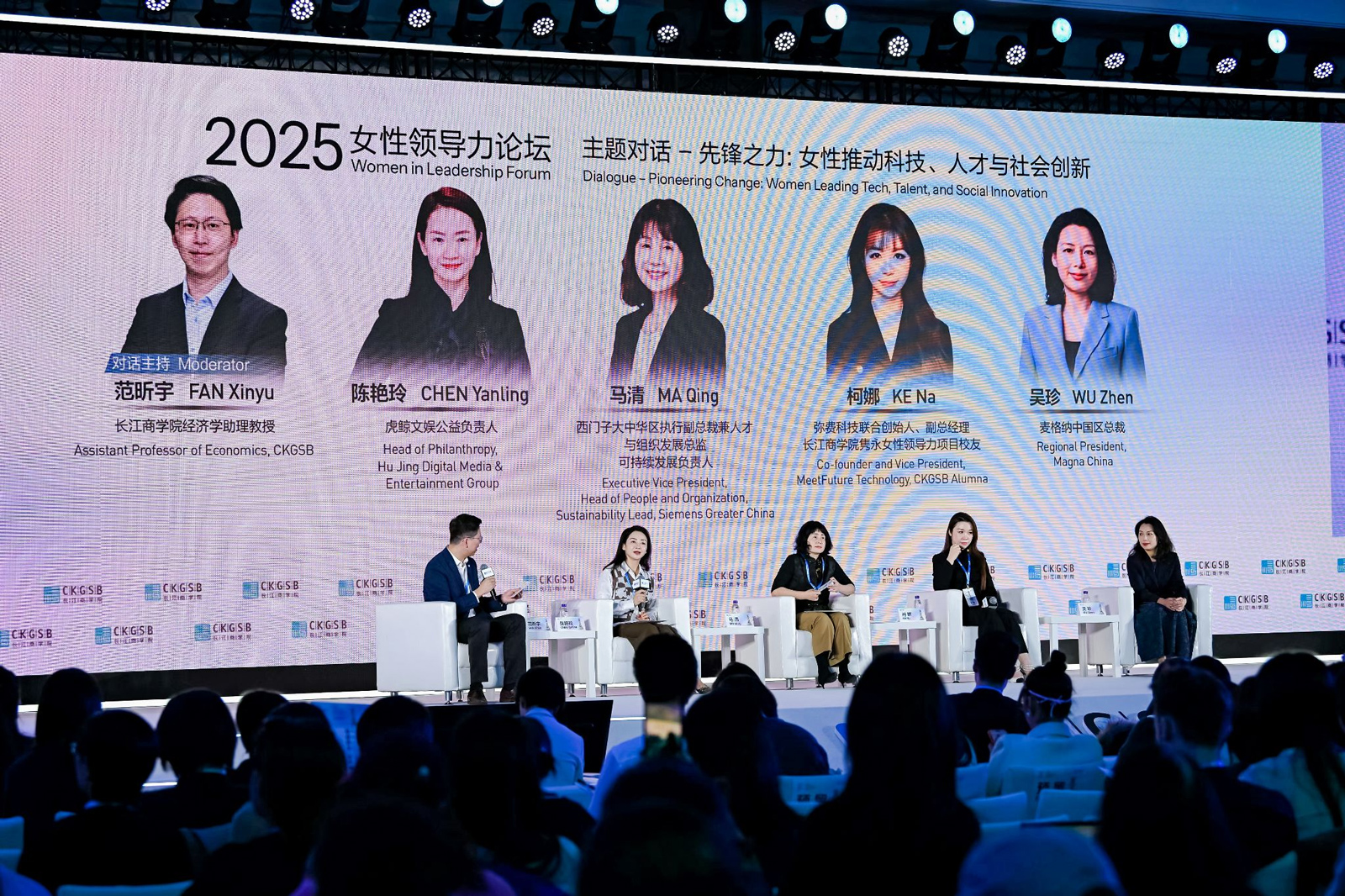
The first dialogue examined how women are leading technological transformation, talent development, and social innovation. Chen Yanling, Head of Philanthropy at Hujing Digital Media & Entertainment Group, shared one of the forum’s most innovative examples of AI serving social good. Through AI voice cloning technology, celebrity actor Hu Ge can now narrate movies for visually impaired audiences on Youku’s barrier-free theater platform. What began with just three accessible films has expanded to over 9,200 works, now serving both visually and hearing-impaired audiences, demonstrating how technology can deliver both efficiency and emotional value.
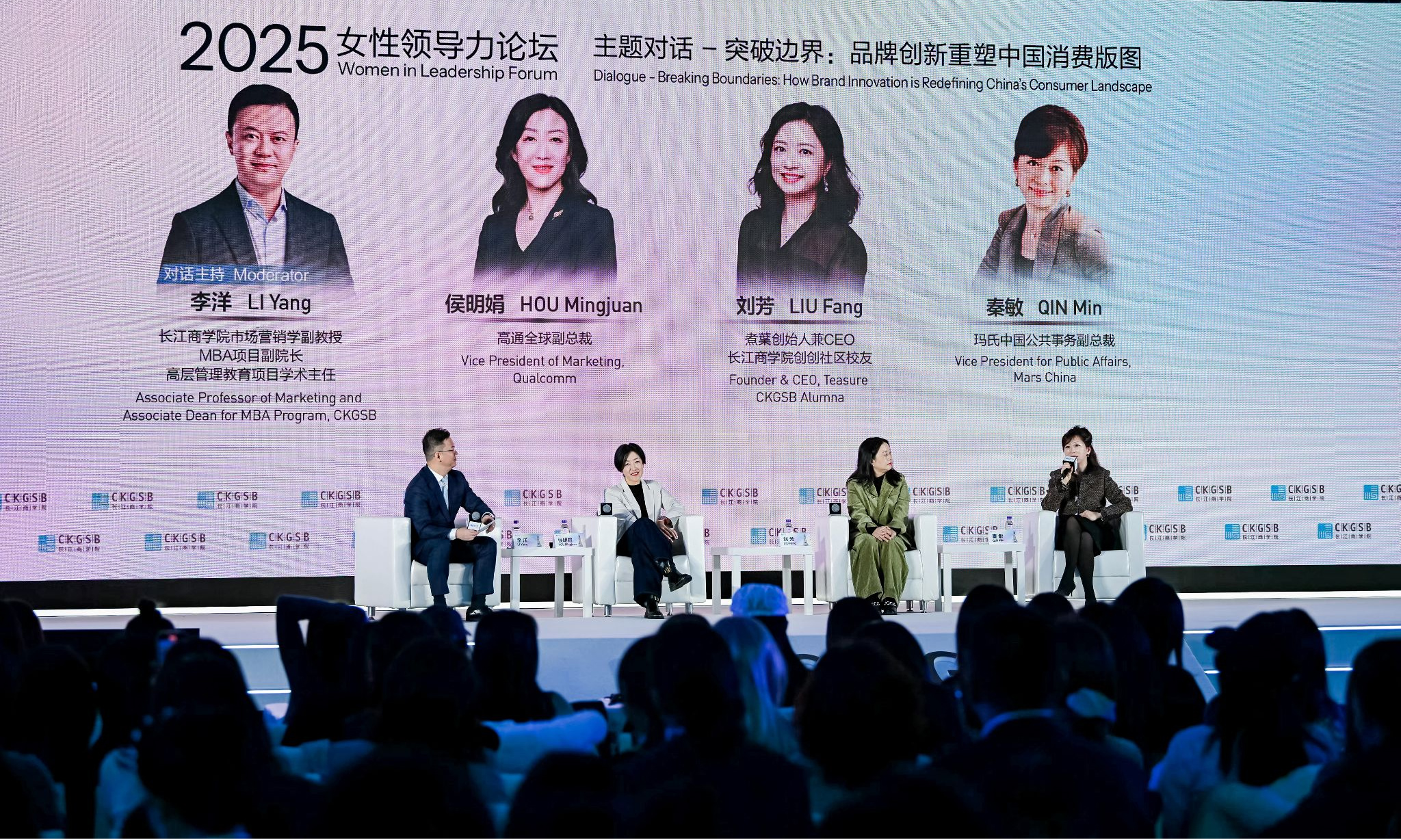
The second dialogue explored how brand innovation is redefining China’s consumer landscape. Liu Fang, founder and CEO of Teasure and CKGSB alumna, offered a contrarian perspective on business growth in China’s hypercompetitive tea beverage market. Rather than joining aggressive price wars and weekly product launches, Liu embraced a slow-growth philosophy focused on uniqueness. “If one day I only have one store, but can serve one person, letting them feel they’re living a comfortable, beautiful, and free life because of a cup of tea, that’s also a very worthwhile way of living”, she reflected, emphasizing values over volume.
The forum’s third session explored how women are redefining IP creation and commercialization across entertainment, content, and cultural sectors. Jia Yuan, founder of Beijing Yishijie Culture Media, Chair of the 2025 Cannes Film Festival China Night and CKGSB alumna, shared her vision for changing how China is represented globally. She created the “China Film+” platform to bridge Chinese brands and cinema, moving beyond what she called “weak narratives” that exoticize Chinese culture toward “strong narratives” that inspire international audiences. “What we need to address is making them feel respected, helping them find their position,” she explained, emphasizing the importance of creating an “ecological niche” where Chinese creators and brands can be authentically seen and valued.

The forum concluded with a powerful keynote from Yang Lan, renowned TV host and Chairperson of Sun Media Group—who hosted the opening ceremony of the 1995 Beijing Declaration conference 30 years ago. Drawing on extensive research into Chinese women’s wellbeing, Yang presented findings from a survey of 16,000 women that revealed a dramatic shift in what constitutes happiness.
The new top three sources of wellbeing for Chinese women are: good health, independent income, and control over one’s own time. Traditional priorities like marriage and children no longer dominate the top positions, reflecting women’s growing emphasis on autonomy and self-determination.
Yang presented sobering statistics: 95 million Chinese suffer from anxiety and depression, with 68% being women. She quantified the “motherhood penalty”—women in tier-1 cities forgo approximately ¥570,000 in income when choosing to have children. Chinese women work the longest hours globally, with a labor participation rate exceeding 70% (the world’s highest) while also spending the most time on household labor, averaging 1.5 hours more work per day than male partners.
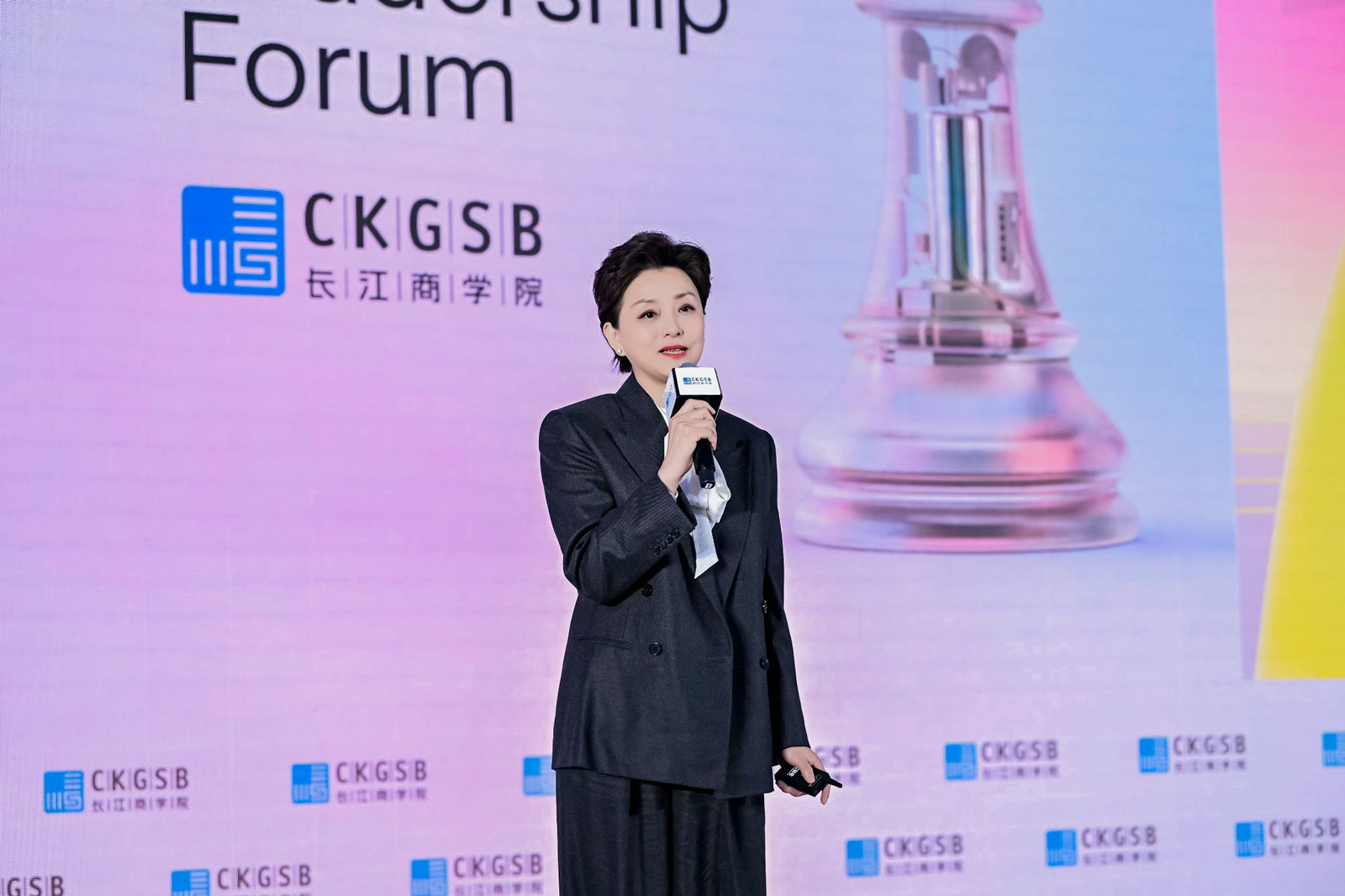
Despite these challenges, Yang emphasized agency and growth. She introduced her “happiness competence” framework—the ability to discover, feel, create, and share happiness. “Since it is a competence, it is something we can learn”, she noted. Yang concluded with a vision that connected individual women’s growth to national resilience: “When we enable more women to realize their life potential and gain their resilience, we are actually shaping a more resilient China”.
The 2025 Women in Leadership Forum also marked the launch of She Innovates: Women Shaping China’s Digital Future, a bilingual report spotlighting seven CKGSB alumnae entrepreneurs advancing breakthroughs in AI, health technology, and e-commerce. Featured entrepreneurs include Zhou Chaoman, ranked #4 on Forbes 2025 China’s Outstanding Business Women list, and Wei Xue, TCL Technology Group Vice President. The report also includes original research by Professor Zhang Xiaomeng on AI’s impact on workplace wellbeing.
Read more about CKGSB’s Women in Leadership Forum series HERE.