

The Rise of Labubu: Behind the emotional economy are the emotions of the economy
April 23, 2026
Bestselling icons mirror social emotions
Best-selling icons always reflect the social emotions of their era, as do PopMart’s Labubu dolls
In 2025, a fanged, mischievous-looking figurine named Labubu sold at auction in Beijing for ¥1.08 million. That same year, the stock price of Pop Mart surged nearly 200%, while young consumers clipped the grinning “monster” onto luxury bags in a form of identity expression.
What looks like a consumer craze points to something more fundamental. Emotional value is increasingly shaping purchasing decisions, at times outweighing practical function.
Rather than being an isolated phenomenon, Labubu reflects a broader pattern: shifts in the economic environment give rise to new emotional needs, which in turn shape how and what people consume.
The beginnings of the emotional economy
Emotional consumption has appeared repeatedly across different economic periods.
In the 1970s, Hello Kitty offered a sense of calm and familiarity to Japanese consumers during rapid social change. In the 1990s, after the collapse of Japan’s asset bubble, Bandai’s capsule toys provided low-cost, repeatable moments of satisfaction.
More recently, Jellycat has gained global popularity through products designed to soothe through touch.
These examples differ in form, but share a common function: they respond to prevailing emotional needs shaped by their economic context.
Today, contrasting symbols such as Labubu and the cartoon figure of capybara have gained traction at the same time. One reflects individuality and playful rebellion; the other embodies calmness and emotional stability. Their coexistence suggests that consumer demand is no longer singular but layered.
According to a 2025 report by Future Marketing, China’s emotion-driven consumption market is expected to exceed ¥2 trillion. Companies such as IKEA have begun to incorporate emotional value into product development, recognizing this shift.
Young people’s plastic luxury
Labubu’s commercial success is striking in both scale and speed.
Created by artist Kasing Lung and developed by Pop Mart, the character’s ugly-cute aesthetic—sharp teeth paired with a mischievous expression—distinguishes it from more conventional designs. Originally one of several IPs, it has become a central driver of the company’s growth.
In the first half of 2025, new product releases triggered long queues across multiple markets, and demand at times exceeded supply. Auction sales pushed prices into six-figure territory, while secondary markets expanded rapidly.
The product has been described as “young people’s plastic Moutai,” a reference to Kweichow Moutai–a signature luxury liquor in China. The comparison reflects not only price appreciation, but also its role as a form of social currency.
Pop Mart’s financial performance mirrors this momentum. The company reported ¥13.88 billion in revenue in the first half of the year, with adjusted net profit reaching ¥4.71 billion. The MONSTERS series accounted for a substantial share of this growth.
Strong demand has also brought side effects. Counterfeit products have proliferated, with Chinese customs intercepting 1.83 million suspected infringing items this year.
Every generation has their Labubu
The appeal of products like Labubu lies in how they function as carriers of meaning.
For Gen Z consumers, such items are not simply objects but signals—ways to express identity and connect with others. Labubu’s design combines familiarity with deviation, allowing it to stand out without becoming alien, which resonates with the trend of the era.
Emotional symbols certainly did not start with Labubu. In fact, every generation has their own symbols expressing contemporary collective emotions.
When Hello Kitty emerged as an international icon, it reflected the gentle and welcoming gesture of a fast-growing and increasingly globalized Japan in the 1970s.
However, when Japan’s economy stagnated in the 1990s, younger generations turned to Bandai’s capsule toys: similar to Pop Mart’s blind boxes, the capsules introduced surprise through designed uncertainty–a much-needed elixir when cementing social mobility and slowing economic development failed to deliver material surprises in the real life.
As shown, each succeeds not because of intrinsic features alone, but because it aligns with how consumers feel at a particular moment rooted in the broad socioeconomic configuration of the time.
Belonging and individuality
Emotional demand tends to cluster around two broad needs: belonging and individuality.
When economic conditions are uncertain, the need for belonging becomes more pronounced. Consumers are drawn to products that provide comfort and stability. The popularity of the cartoon capybara reflects this dynamic, with its calm and unhurried image resonating in high-pressure environments.
When confidence improves, or among those seeking upward mobility, individuality becomes more important. Consumption becomes a means of differentiation, with products used to signal personal taste.
In practice, these two forces often operate together. Consumers may seek reassurance while also expressing distinction, rather than choosing between the two.
From function to emotional resonance
As consumer markets mature, the basis of competition shifts.
In earlier stages, purchasing decisions are driven largely by function and price. As incomes rise, intangible factors such as meaning, identity, and emotional connection become more important.
This change is already shaping corporate strategy. IKEA, for example, has observed that consumers in China are increasingly balancing practical value with emotional expectations. It has redefined its brand positioning in the Chinese market with the theme “Home: More to Life”, signifying that it does not merely sell products, but helps create a better life through them, infusing emotional value and lifestyle into its offerings.
For companies, this implies that understanding emotional demand is becoming a necessary complement to understanding functional demand.
Making products that define the times
“All history is contemporary history,” wrote Benedetto Croce. The same applies to consumption.
Products are shaped by the conditions of their time—by economic shifts, social pressures, and evolving expectations. As those conditions change, new symbols will emerge to reflect them.
What persists is the link between economic reality and emotional response—and the way that link ultimately shapes consumer behavior.
When businesses grasp the fundamental insights of the emotional economy and start to vibrate with the emotions of the economy, they can create not just trendy products, but products that define the times.
The Chinese version of this article was published in the Caijing Annual Issue. The English version was edited by CKGSB Knowledge.
Enjoying what you’re reading?
Article Subscribe (1)
Professor profile

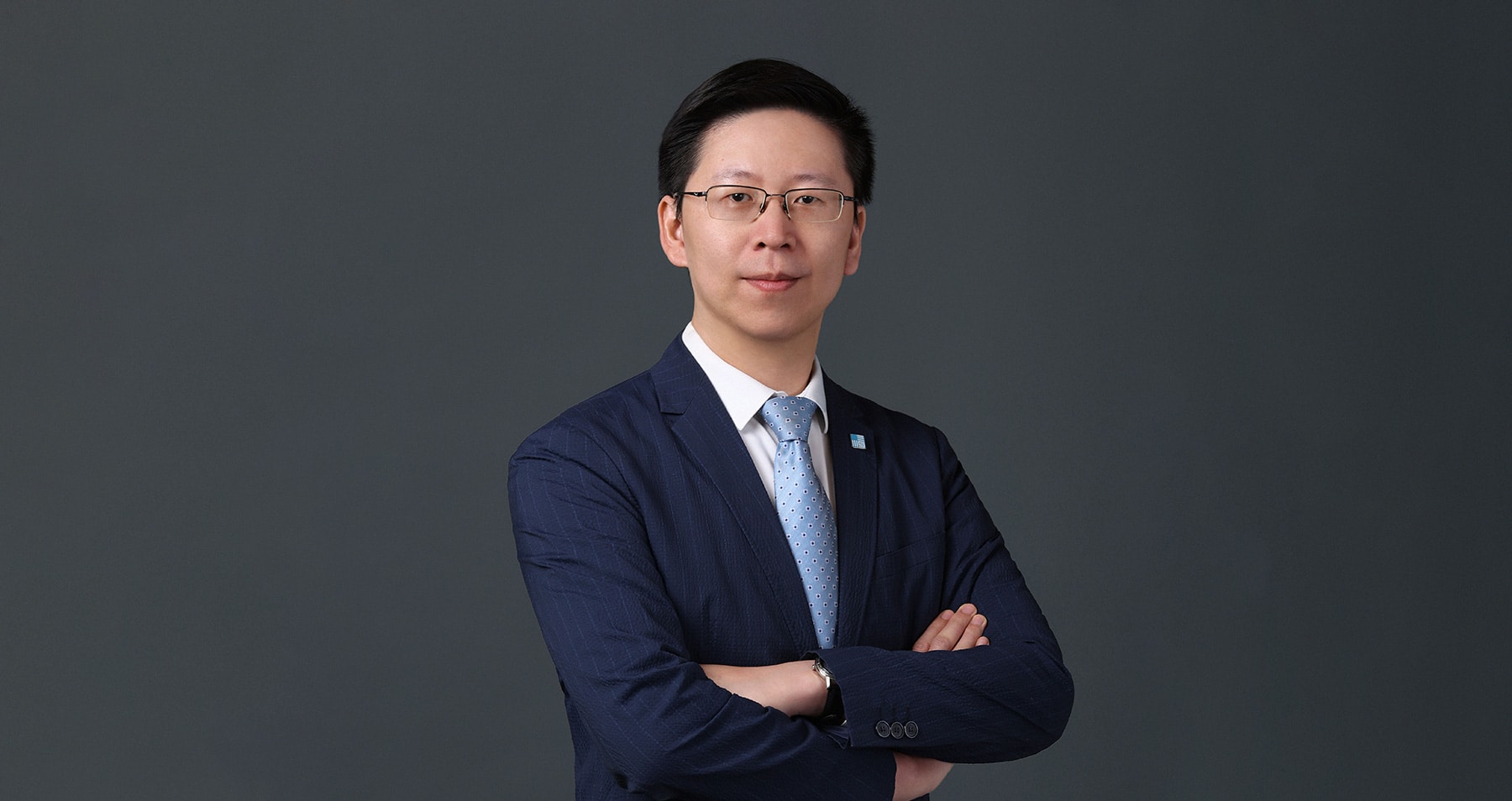
FAN Xinyu
Assistant Professor of Economics, Cheung Kong Graduate School of Business (CKGSB)
PhD, University of California, Los Angles (UCLA)




Related Articles



Our Programs

Emerging Tech Management Week: Silicon Valley
Global Unicorn Program Series
In partnership with UC Berkeley College of Engineering
A technology management program for leaders looking to turn emerging technologies into business opportunities.
Combining proven strategies and cutting-edge research, the program helps participants fuel innovation, seize opportunities in emerging technologies, and catalyze transformation within their organizations. Designed for managers, start-up leaders, and technology investors, it includes visits to venture capital firms and technology companies, alongside mentored group projects.
LocationUC Berkeley, California, United States
Date01 - 06 Nov, 2026
LanguageEnglish

Intelligent China: AI, EVs & Smart Manufacturing
A three-part program examining China’s advances in AI, electric vehicles, and smart manufacturing.
Through faculty-led sessions, company visits, and exchanges with industry leaders, gain practical insights for your organization's strategy, partnerships, and investment decisions. Join an individual four-day program or complete the full 12-day series.
LocationBeijing, Shenzhen, Shanghai, and Hangzhou
Date December 2026 – July 2027 (three 4-day programs)
LanguageEnglish

Emerging Markets: Innovation and Scaling for Exponential Growth – ASEAN
A China-focused innovation program for ASEAN executives and business owners responding to the impact of AI on their industries.
Gain insights from leading Chese thinkers in Jakarta, with an optional immersion in China and opportunities to connect with the business leaders driving innovation. The program offers a closer look at how developments in China could affect your industry and business.
LocationJakarta, Indonesia
Date2–4 December 2026
LanguageEnglish (with Chinese translation)
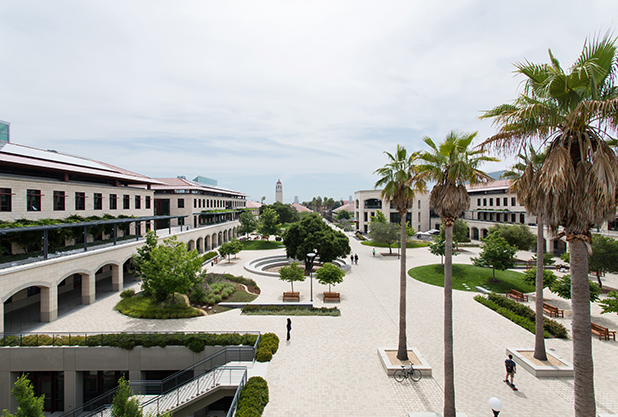
Stanford & Silicon Valley Immersion Program
Global Unicorn Program Series
In partnership with Stanford Engineering Center for Global & Online Education
A Silicon Valley immersion for entrepreneurs, intrapreneurs, and investors leading and scaling AI-driven companies.
The program combines academic learning with visits to AI and robotics labs and Silicon Valley companies, giving participants direct exposure to emerging technologies and the businesses developing and applying them.
LocationStanford University Campus, California, United States
Date06 - 11 Dec, 2026
LanguageEnglish with Chinese Translation

Asia Start: AI + Digital China Expedition
An immersive program for entrepreneurs and executives looking to understand China's AI and digital economy firsthand.
Gain the latest trends and insights, strategies, and connections to overcome challenges and support future business growth in Asia and beyond.
LocationChina (Beijing, Shanghai, Hangzhou & optional Shenzhen)
DateApril 19–24, 2027
LanguageEnglish