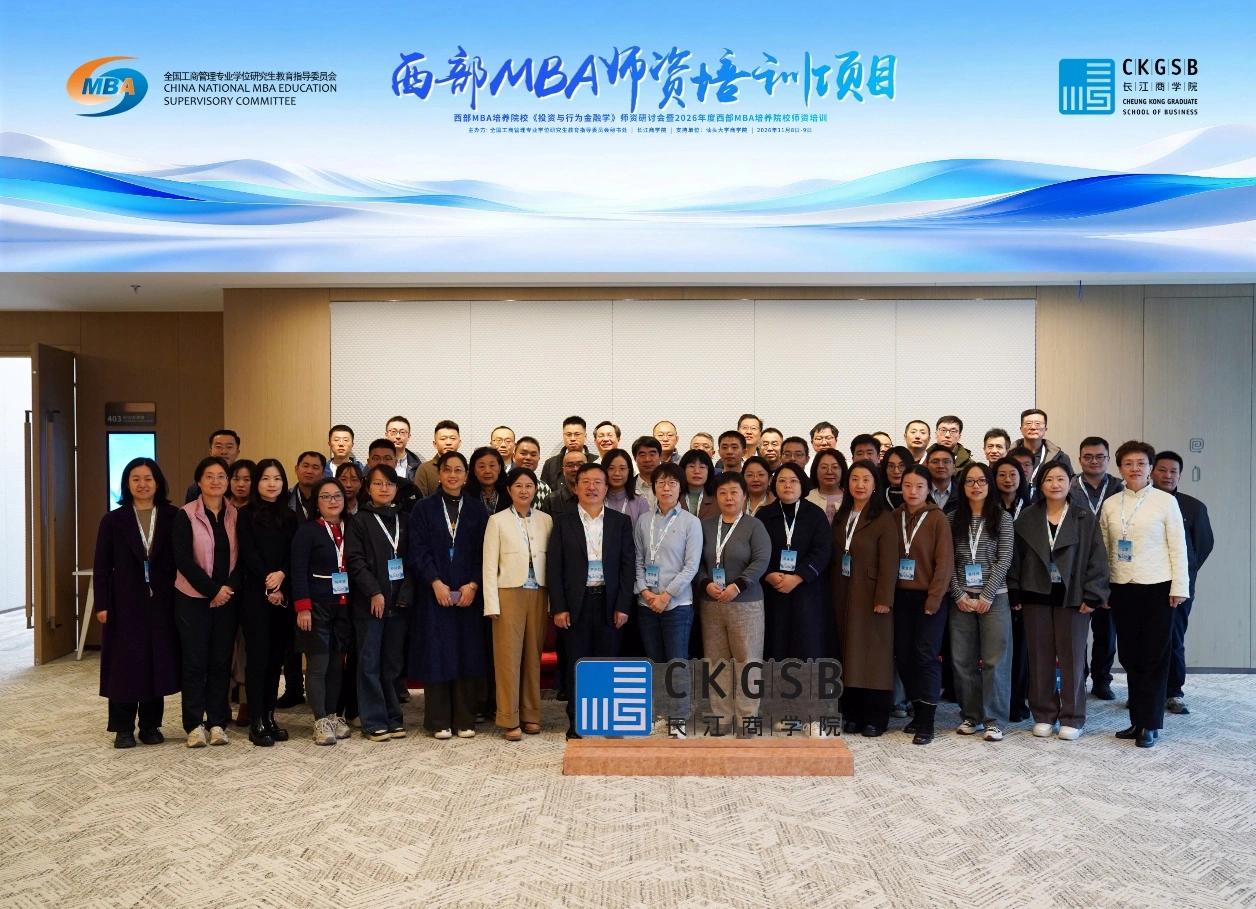
Cheung Kong Graduate School of Business (CKGSB) hosted the eighth Western China MBA Professor Training Program along with the MBA Faculty Seminar on Investment and Behavioral Finance, at its Beijing campus on November 8 and 9, 2026. The pro bono program was co-organized by CKGSB and the Secretariat of the China National MBA Education Supervisory Committee, with support from Shantou University Business School.
Since 2007, CKGSB has run its MBA professor training program to help narrow disparities in management education between eastern and western China. This year, a total of 55 faculty members from 45 universities and research institutions across China took part. As of 2026, the program has trained around 750 professors from more than 100 universities and research institutions across China, indirectly benefiting tens of thousands of MBA students in the country.
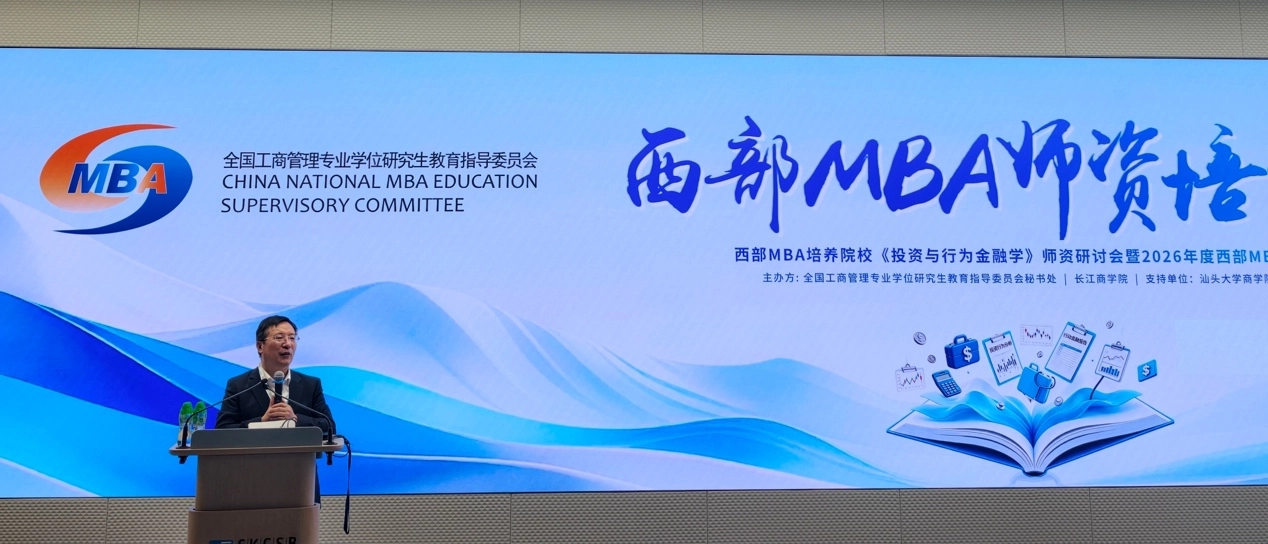
Centered on investment and behavioral finance, this year’s training featured a lecture by Professor Li Xuenan (Erica), Professor of Finance and Director of the Research Department on Industrial Policy at CKGSB. Professor Li Donghong, Secretary-General of the China National MBA Education Supervisory Committee and Professor from Tsinghua University, attended the opening ceremony.
In his opening remarks, Professor Li Donghong commended the program for its achievements in developing MBA faculty in western China. Describing finance as the core of the modern economy, he stressed that MBA education, as the primary channel for developing senior business managers and future business leaders, should place greater emphasis on building finance-related courses. He encouraged participants to engage actively and exchange ideas, and to translate the insights from the training into course design, teaching materials, and classroom practice. In doing so, he noted, they could benefit more faculty and students, strengthen finance curricula at their schools, and raise the quality of MBA education in China.
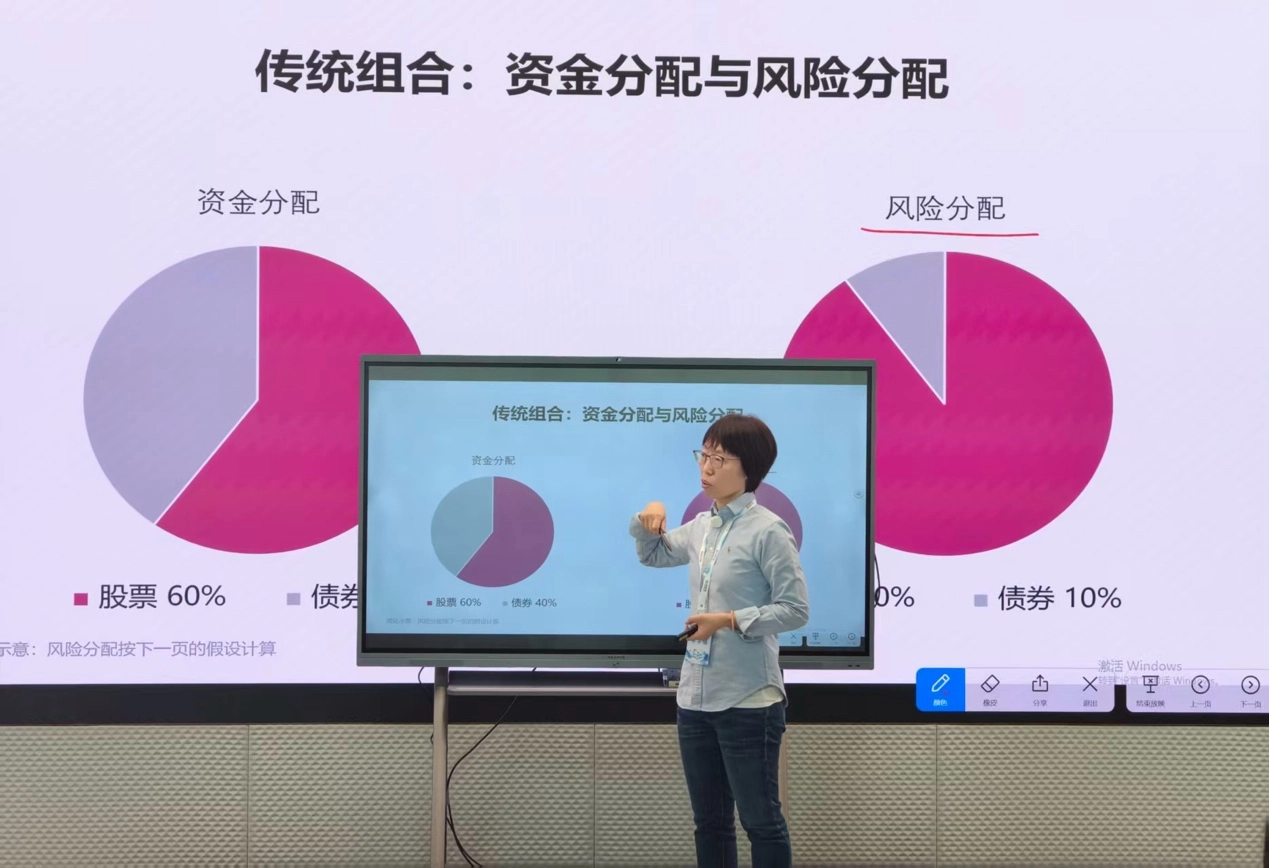
Professor Li Xuenan opened her lecture by asking why ordinary investors fail to earn market returns. She then took participants through asset allocation, the Capital Asset Pricing Model (CAPM), multi-factor models, and fund performance evaluation. Drawing on market data and real investment cases, she examined how behavioral biases such as overconfidence and loss aversion shape investment decisions. The session helped participants see the links between traditional and behavioral finance, and the relationship among risk, return, and investor behavior.
The course combined theory with practice. Through case discussions on “Asset Allocation in China’s A-Share Market” and “How to Choose a Fund,” participants explored the role of diversification and learned to distinguish the respective contributions of market movements, investment style, and manager skill to fund returns. The course also addressed the gap between model assumptions and real-world conditions, underscoring the need to factor in considerations such as risk tolerance and liquidity needs. Together, these discussions offered participants concrete approaches for bringing financial theory, data analysis, and case-based discussion into the MBA classroom.
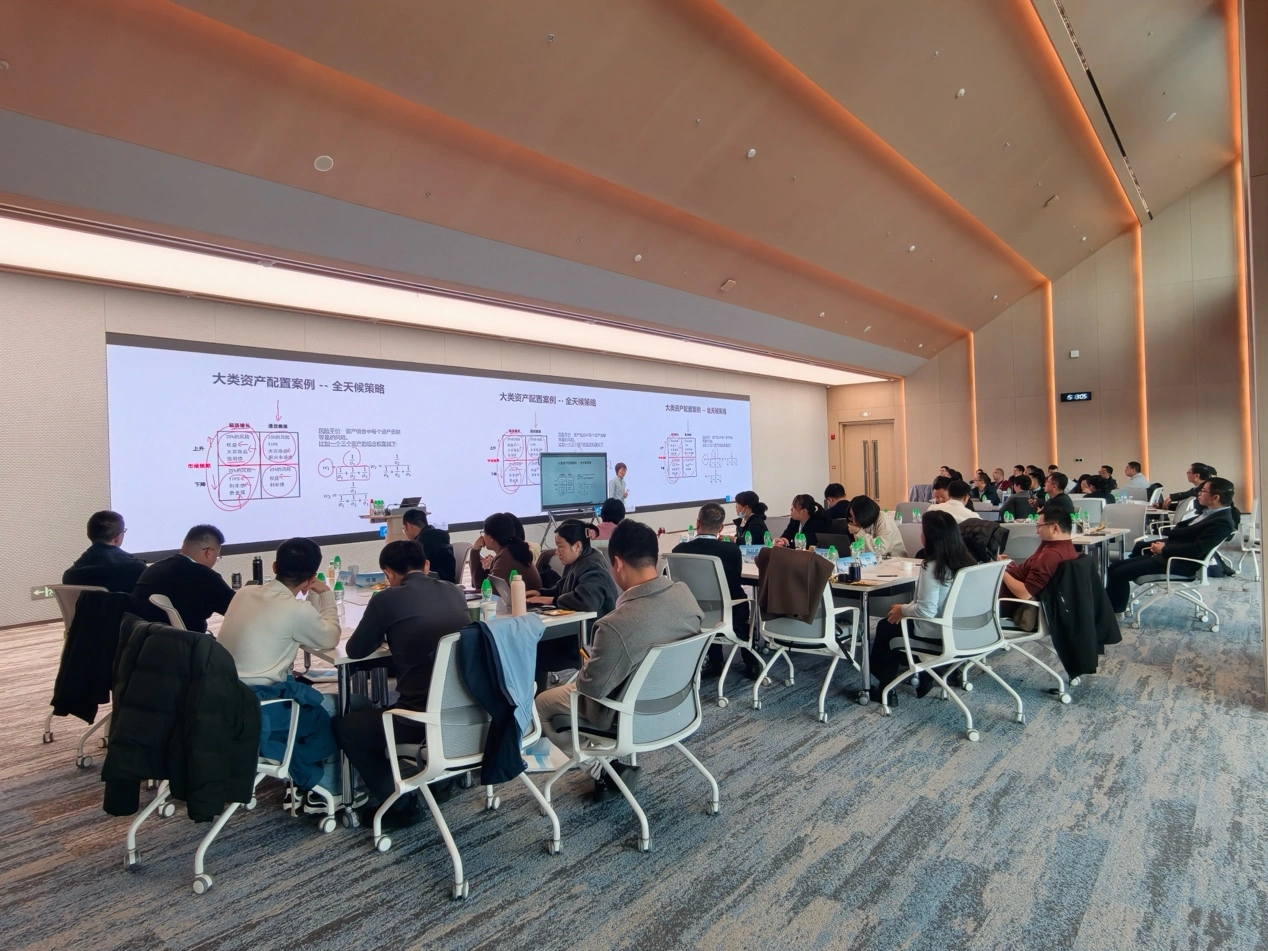
The training’s organization and content were well received by participating faculty. Participants noted that the course was substantive and rich in vivid cases, and that its blend of theory, empirical research, and market practice offered valuable insights for understanding investment and behavioral finance and for improving their own teaching. Many also said they plan to bring these concepts and methods into their future teaching, enrich their case materials, and refine their course design. They added that they look forward to continued exchanges to further strengthen their course development and teaching practice.