
Reverse migration: China’s migrants reconsidering urban life
March 20, 2026
The urbanization process is losing its attraction
With growing economic pressures in China’s largest cities, some people are choosing to relocate to regional areas
Yue, a 35-year-old from Central Henan province, recently left behind a promising career in a tech company in the provincial capital of Zhengzhou, for a slower pace of life in the town of Tengchong in southern Yunnan. For her and her husband, this was originally a retirement plan, but the high-pressured lifestyle they both lived spurred them move ahead with it.
“The stress was so great that my health had already been impacted,” says Yue. “I had constant migraines and a feeling of nausea that never went away.” Even on her days off, she says, she was unable to put down her phone. “You have no downtime at all because you are constantly responding to work requests,” she says.
In Shanghai, Lao Zhang, also a Henan native, drives passengers around the city for ride-share company Didi. He says it is getting more expensive to live in Shanghai now, but at least he is earning more for his family back in his hometown of Xinyang. “I’ll stay here for a couple more years or so to earn money, but it’s too difficult to bring my family and settle here,” he says.
Stories like Yue’s and Zhang’s reflect a subtle shift in China’s demographic landscape. After more than four decades of rapid expansion and mass urbanization, the appeal of China’s megacities is weakening for some.
Ren Xuefei, Professor of Sociology at Michigan State University, has written extensively on urban governance. She says the shift is a combination of economic, institutional and generational factors. “High living costs, especially housing and the difficulty obtaining a local hukou [household registration] remain major barriers in top-tier cities,” says Ren. “At the same time, smaller cities are offering lower costs, more affordable housing and policies aimed at attracting young people.”
Modern China’s great migration
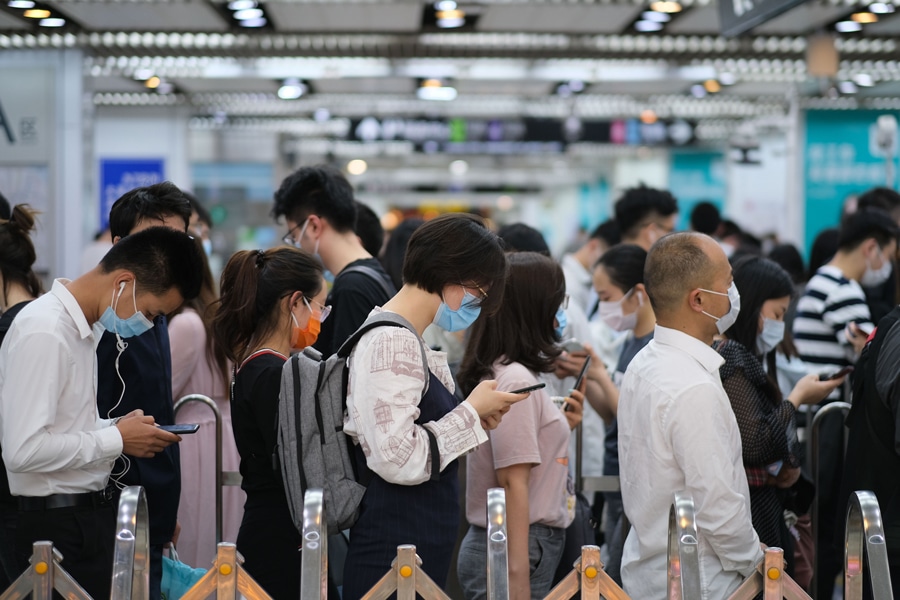
Beginning in the late 1970s, rural Chinese began moving en-masse to cities as factories expanded along the country’s coast. Migrant labor powered China’s manufacturing boom, with people from all over the country working assembly lines, construction sites and service industries.
In 1980, less than 20% of China’s population lived in cities. By 2020, the figure surpassed 60%. Cities rapidly expanded, and what was once suburban farmland has been replaced by high-rises to absorb millions of newcomers.
Urbanization came to represent opportunity, and many young people from rural areas began moving to the provincial capitals and megacities along the East Coast.
Such a change was very much in line with development worldwide. “There’s no high-income country in the world where a large share of the population remains in agriculture,” says Scott Rozelle, co-director of Stanford University’s Rural Education Action Program. “Employment, technology, and higher living standards are overwhelmingly located in cities,” he says.
At the same time, this process has created tensions. Migrant workers often face much higher living costs than back home. At the same time, they have limited access to social services and have various restrictions tied to China’s household registration system known as hukou.
Why some migrants are leaving
Such challenges have caused some to reconsider life in the megacities. Notably, Shanghai’s migrant population fell by 640,000 between 2020 and 2024, amid the COVID pandemic, dropping below 10 million for the first time in recent years. At the same time, Anhui, Fujian and Shaanxi are all seeing notable population rebounds as residents are returning. Notably, Anhui saw an inflow of 157,000 in 2024, much of which were returning migrants.
There are several reasons why people are beginning to reconsider urban life. Economic considerations are perhaps chief among them.
China now produces more than 10 million university graduates annually, resulting in intensifying competition for white-collar jobs. At the same time, slower economic growth over the past five years has dampened hiring in many sectors.
Housing remains another major barrier. Even though China’s property market has been falling in value in recent years—and appears likely to continue to do so—prices in top-tier cities such as Beijing and Shanghai are still among the highest in the world relative to income. Even renting can consume a large share of monthly earnings, with many migrant workers, such as Didi driver Lao Zhang, choosing to live in shared accommodation.
Meanwhile, smaller cities have begun offering various incentives to attract residents.
“Second and third-tier cities are offering lower living costs, more affordable housing, and easier access to hukou,” Ren says. “Local governments are actively introducing policies to attract young people.”
Economic pressures are not the only consideration. Social media discussions in recent years have given rise to phrases such as ‘tangping’ (lying flat) to a growing frustration with the relentless grind of life in major cities.
For some, such as Yue and her husband, relocating to regional areas offers an opportunity to escape the ‘rat race’.
“Millenials and Gen-Z migrants are more educated and more selective about where they live and work,” says Ren. “Lifestyle considerations are increasingly important.”
Family dynamics is also a factor. Many migrants maintain strong relationships with their hometowns, where their extended family is able to help ease the burden of childcare and looking after the elderly.
In recent years, many smaller Chinese cities have relaxed hukou restrictions in an effort to attract residents. This allows for easier school enrolment for their children, greater eligibility to access public services, and fewer restrictions on purchasing property.
The impact on China’s cities
Shifting migration patterns could have important implications for both megacities and regional economies.
For China’s largest cities, slower population inflows run the risk of reinforcing existing economic challenges. Household consumption has weakened throughout China, and for the larger cities, fewer migrants arriving could amplify that. Migrant workers and young professionals are the major drivers of urban spending, particularly in sectors such as food delivery, restaurants, entertainment and rental housing.
Labor markets are another area which could see an impact. Migrant workers play a crucial role in many sectors, including logistics, construction, hospitality and services. Overall, migrant workers tend to be more willing to accept lower-paid employment than urban residents, which may drive up prices.
On the contrary, for smaller cities or rural regions, people coming in from the megacities can bring many economic and social benefits. “Return migrants can stimulate local economies by bringing back skills, savings and urban work experience,” says Ren.
There are also social benefits. One of which is a reduction of the phenomenon of “left-behind children”, whose parents go away for work and are raised by extended family.
However, these regional areas still lack the infrastructure and development of the megacities, and so are limited in their ability to truly absorb large numbers of migrants.
One potential benefit is the easing of pressure on megacities that struggle with overcrowding and the knock-on effect on housing and services. If economic activity were to spread more evenly across the country, it may become easier to distribute infrastructure investment and public services.
“Only about 7% of China’s population lives in the top urban regions such as Beijing, Shanghai and the Pearl River Delta,” says Ren. “A slowdown in migrant inflows may reflect the maturation of China’s broader urban system.”
Urbanization is still key to innovation
Yet megacities remain the key driver of economic growth and will likely remain so for the foreseeable future. Most of the country’s most advanced industries—from finance and technology to research and international trade—are all concentrated in megacities. The deep talent pools, infrastructure and global connectivity are very difficult for regional areas to replicate.
“Cities are where innovation and higher productivity happen,” says Rozelle. “China should be encouraging people to integrate into urban economies, not moving away from them,” he says.
Urbanization does bring challenges, Rozelle adds. Migrants often arrive poorer than existing residents and require time to integrate economically. But over time, he says, “their children typically benefit from improved education and opportunities—one of the main engines of economic development.”
A gradual shift
After relocating to Yunnan, Yue and her husband found work at a guesthouse run by another family who also relocated from Henan. “The pay here is much lower, but we don’t have any expenses—we spend what we earn,” Yue says.
For them, they were able to make them move as nothing was tying them down in Zhengzhou. They do not have children nor any outstanding debts to pay off. “Many of my friends have told me they want to do the same, but they are trapped in jobs they don’t like because they have mortgages to pay.”
Many, such as Lao Zhang, remain in the megacities despite the financial and social challenges it brings. Whether it’s the pressure of raising a family, paying off mortgages and loans, or just a sense of career ambition, ultimately, the big cities will likely continue to dominate the country’s economic landscape, and millions of migrants will still see them as gateways to opportunity.
“I don’t think we are seeing large-scale outward migration,” Ren says. “Rather, top-tier cities are simply less magnetizing than before.”
Enjoying what you’re reading?
CKGSB Report




Related Articles



Related Articles

Our Programs

Emerging Markets: Innovation and Scaling for Exponential Growth
Global Unicorn Program Series
A joint program by Cheung Kong Graduate School of Business and The South Africa Chamber of Commerce and Industry
LocationJohannesburg, South Africa
Date20 - 23 Apr, 2026
LanguageEnglish
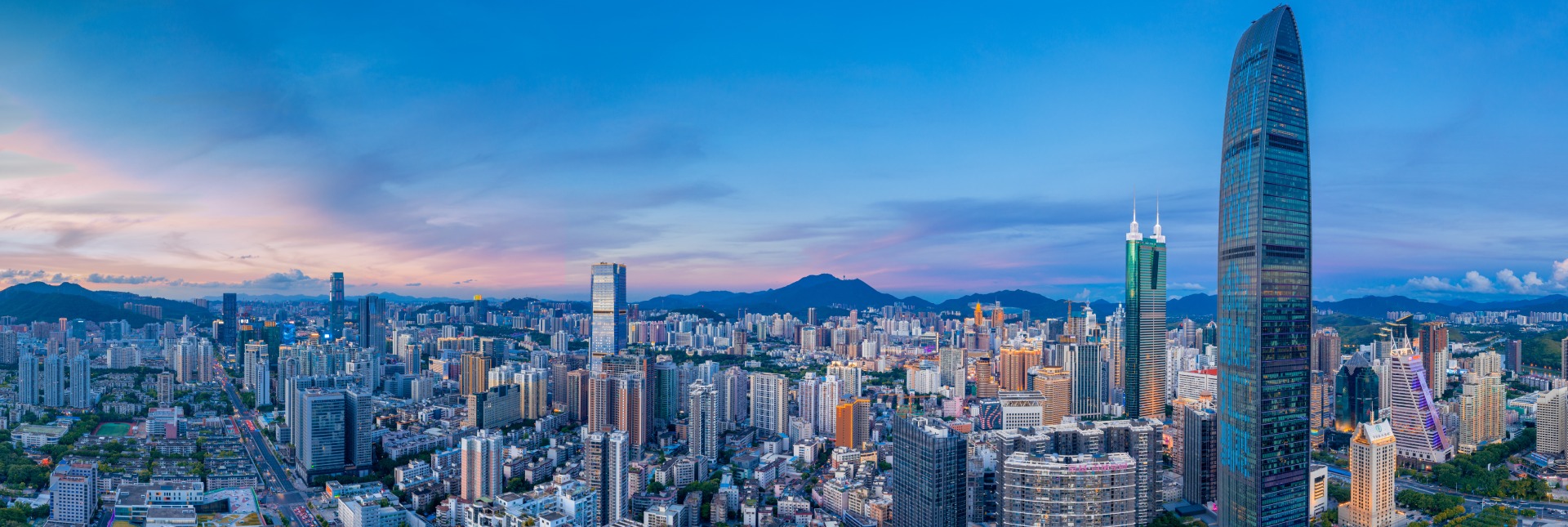
Asia Start: AI + Digital China Expedition
Asia Start provides entrepreneurs and executives with unparalleled access to Asia’s dynamic digital economy and its business ecosystems, offering the latest trends and insights, strategies, and connections to overcome challenges and unlock future growth for your business in Asia and beyond.
LocationChina (Shanghai, Hangzhou, Shenzhen)
Date11 - 14 May, 2026
LanguageEnglish
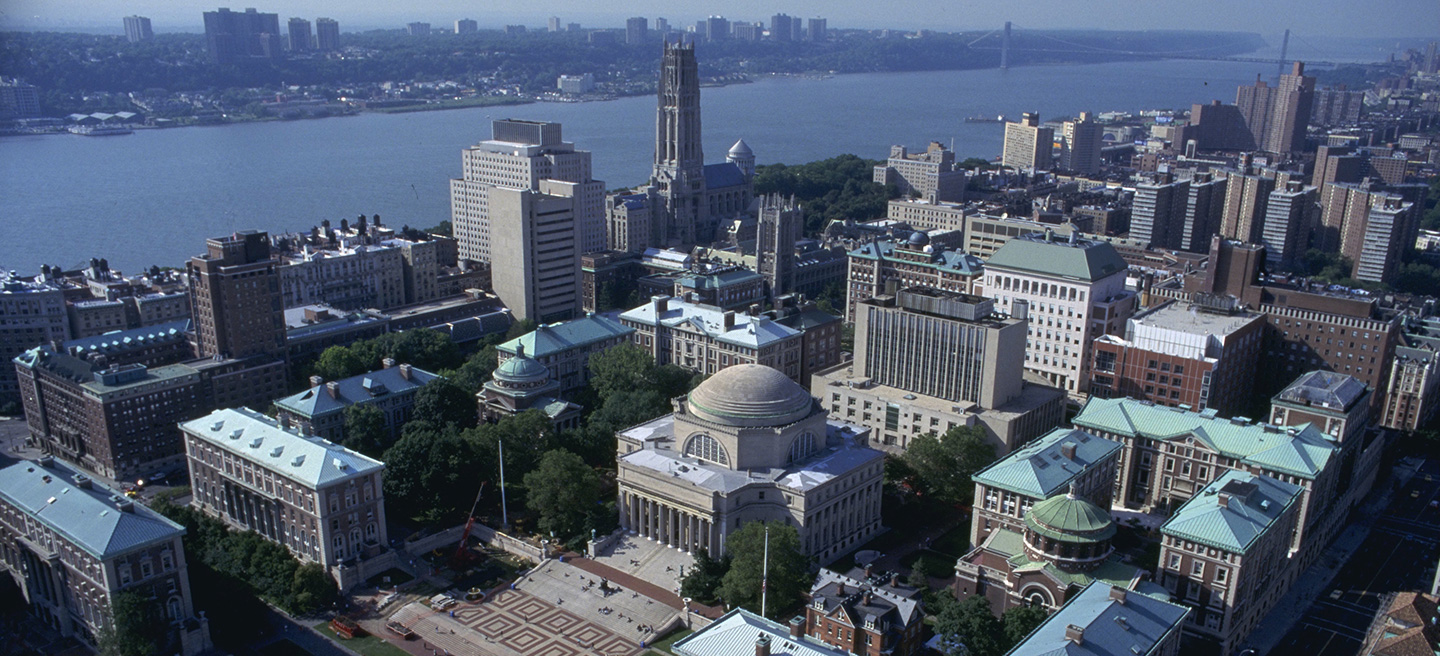
Scaling Innovation: AI and Digital Strategies for Business Transformation
Global Unicorn Program Series
In partnership with Columbia Engineering
This program is designed to equip senior executives with the strategic insights and tools necessary to lead in this transformative era.
LocationNew York, USA
Date27 Sep - 02 Oct, 2026
LanguageEnglish

Emerging Tech Management Week: Silicon Valley
Global Unicorn Program Series
In partnership with UC Berkeley College of Engineering
This program equips participants with proven strategies, cutting-edge research, and the best-in-class advice to fuel innovation, seize emerging tech developments, and catalyse transformation within your organization.
LocationUC Berkeley
Date01 - 06 Nov, 2026
LanguageEnglish
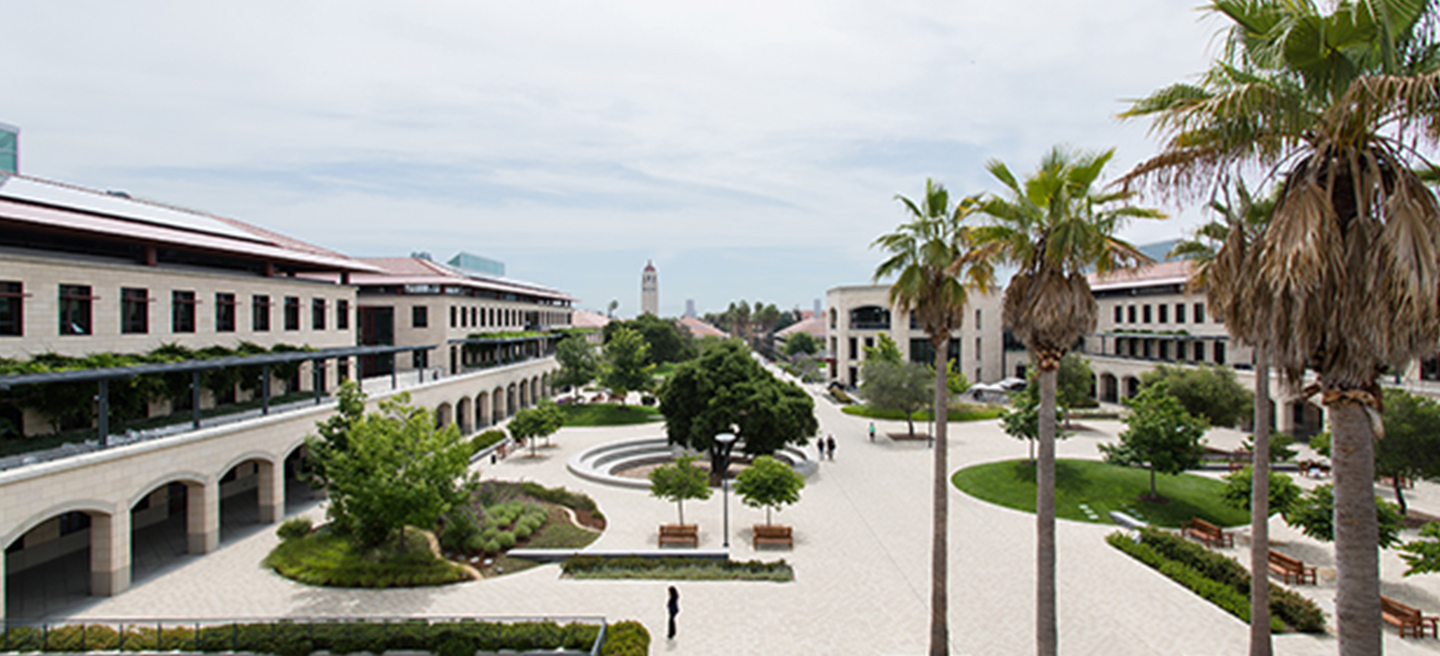
Stanford & Silicon Valley Immersion Program
Global Unicorn Program Series
In partnership with Stanford Engineering Center for Global & Online Education
This CKGSB program equips entrepreneurs, intrapreneurs and key stakeholders with the tools, insights, and skills necessary to lead a new generation of unicorn companies.
LocationStanford University Campus,
California, United States
Date06 - 11 Dec, 2026
LanguageEnglish with Chinese Translation