
The Chinese art market, a new investment hotspot
October 25, 2010
While clear signs show the cooling down of real estate transactions and the widely swinging Chinese domestic stock market, passion for investing in Chinese art shows no sign of fading. Both Chinese artworks and Chinese buyers are creating an upsurge in the domestic and international art auction market.
ARTRON, China’s largest online art publishing house, recently released its seasonal report “Chinese Art Auction Market 2011 Spring Season”, based on data collected from China’s 219 auction houses. The report showed that in the first half of 2011, the turnover of artworks in China was RMB 42.8 billion, breaking the record. Among the 122,984 traded pieces, 15 pieces were sold at price above RMB 100 million. Expert analysts say that investing capital overflowing from other investment areas has entered into the art market and is spurring its growth.
Mei Jianping, professor of finance at the Cheung Kong Graduate School of Business (CKGSB) predicted this boom in the art market years ago. He believes that “art will take its place alongside the stock market and real estate market to become one of the three major investment markets in China”. The Mei Moses Fine Art Index, co-created by Mei, showed that between the year 2001 and 2010, the average annual rate of return on investment of Chinese Contemporary Oil Painting and Tradition Art were 19.4% and 14.9% respectively, while that of the SSE (Shanghai Stock Exchange) Composite Index, which shows the China’s stock market condition, was only 6.1%.
The Art Market Monitor of ARTRON (AMMA) estimates that, in the first half of 2011, the capital withdrawn from equities alone has reached RMB 200 billion. As Professor Mei says, fine art bears similarities to a luxury apartment in the real estate market or a blue-chip stock in the stock market, insofar a return on investment is concerned. With the stock market in turmoil and dire economic growth, the opportunity for high returns provided by investment in art and its relative lower short-term volatility of investments attracts investors to turn to art investment against future uncertainties.
Chinese art investors not only focus on Chinese fine arts; they also go abroad to invest in foreign art products. Poldi Moire from Sotheby said, “Once the Chinese collectors put their investing focus on overseas markets, they will raise a significant wave in the international market.” After five years of preparation, China’s oldest art auction house, China Guardian, officially opened on New York’s Park Avenue, once dominated by Sotheby’s and Christie’s. This branch office mainly focuses on finding Chinese paintings, porcelain, calligraphy, sculptures, and handicrafts to bring back to China to sell at domestic auctions.
Director and vice president of China Guardian Kou Qin, told the Wall Street Journal, “Ninety percent of our buyers are Mainland Chinese, but it is the same situation for the whole Chinese art market.” He said the Chinese art market is booming and the prices are going up continuously, so Chinese art works are now be sold at a higher price in China. The auction market is responding to demand. On May 22, 2011, the painting “Eagle Standing on Pine Tree with Four-Character Couplet in Seal Script”, by Qi Baishi sold for RMB 425.5 million in the China Guardian 2011 Spring Auction. It broke the world record for the price of a contemporary painting
Tianjin Cultural Artwork Exchange, a pilot art market, opened on January 26, 2011. It was set up with the purpose of allowing small investors to buy shares in the ownership of art works and provide another financial investment channel. However, since the setting up of the exchange, disputes about the non-exact entry criteria for listed art pieces, the lack of regulatory supervision of the exchange, and suspicion that the dramatic swing of the stock price is a signal of another wave of investment mania have not stopped. On March 28, just two months after opening, the exchange suspended opening new accounts in order to guarantee “the stable and orderly development of the market.”
Apart from being used as a hedge against inflation and another channel for liquid capital in a prudent monetary environment, the artworks are also used by illegal traders as a way of making money. Mei pointed out that an abundance of fakes and a weak regulatory system are significant risks for China’s art market.
“The relevant departments need to improve laws governing auctions to clarify the responsibilities of the auction houses, especially regarding the authenticity of artwork. The art market would also benefit from more active participation by financial institutions. For example, insurance companies could offer art-related insurance products.” Professor Mei said. Mei indicated that the “financialization” of art assets is the inevitable outcome of the development of China’s financial system.
Enjoying what you’re reading?
Article Subscribe (1)
CKGSB Report



Our Programs

Emerging Tech Management Week: Silicon Valley
Global Unicorn Program Series
In partnership with UC Berkeley College of Engineering
A technology management program for leaders looking to turn emerging technologies into business opportunities.
Combining proven strategies and cutting-edge research, the program helps participants fuel innovation, seize opportunities in emerging technologies, and catalyze transformation within their organizations. Designed for managers, start-up leaders, and technology investors, it includes visits to venture capital firms and technology companies, alongside mentored group projects.
LocationUC Berkeley, California, United States
Date01 - 06 Nov, 2026
LanguageEnglish
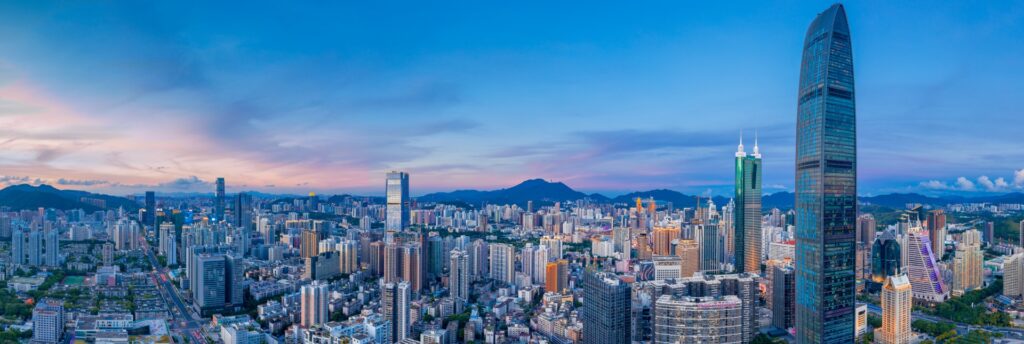
Asia Start: AI + Digital China Expedition
An immersive program for entrepreneurs and executives looking to understand China's AI and digital economy firsthand.
Gain the latest trends and insights, strategies, and connections to overcome challenges and support future business growth in Asia and beyond.
LocationChina (Beijing, Shanghai, Hangzhou & optional Shenzhen)
DateNovember 2–7, 2026 | April 19–24, 2027
LanguageEnglish

Intelligent China: AI, EVs & Smart Manufacturing
A three-part program examining China’s advances in AI, electric vehicles, and smart manufacturing.
Through faculty-led sessions, company visits, and exchanges with industry leaders, gain practical insights for your organization's strategy, partnerships, and investment decisions. Join an individual four-day program or complete the full 12-day series.
LocationBeijing, Shenzhen, Shanghai, and Hangzhou
Date December 2026 – July 2027 (three 4-day programs)
LanguageEnglish
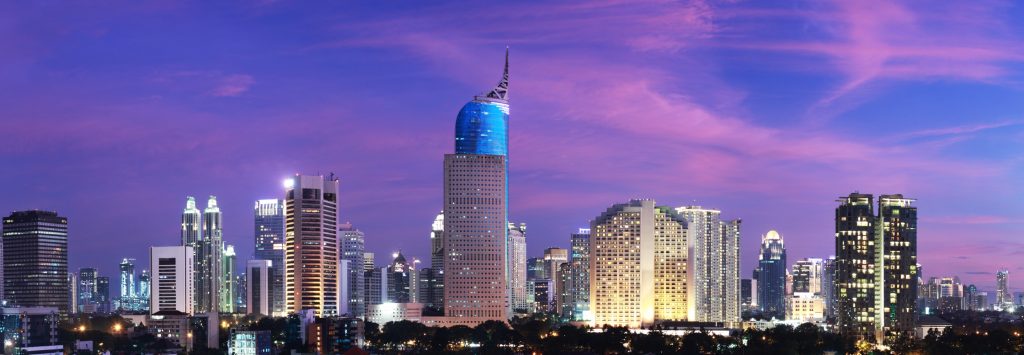
Emerging Markets: Innovation and Scaling for Exponential Growth – ASEAN
A China-focused innovation program for ASEAN executives and business owners responding to the impact of AI on their industries.
Gain insights from leading Chese thinkers in Jakarta, with an optional immersion in China and opportunities to connect with the business leaders driving innovation. The program offers a closer look at how developments in China could affect your industry and business.
LocationJakarta, Indonesia
Date2–4 December 2026
LanguageEnglish (with Chinese translation)
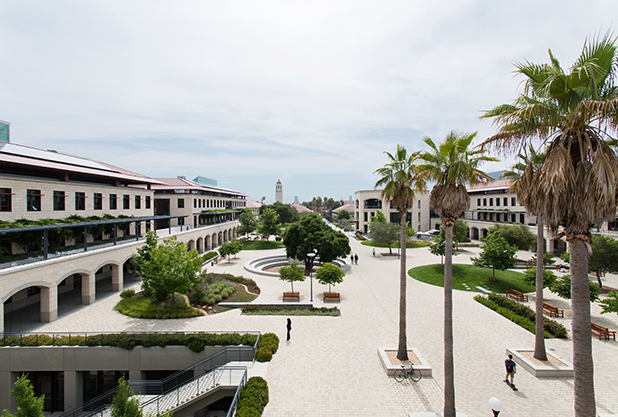
Stanford & Silicon Valley Immersion Program
Global Unicorn Program Series
In partnership with Stanford Engineering Center for Global & Online Education
A Silicon Valley immersion for entrepreneurs, intrapreneurs, and investors leading and scaling AI-driven companies.
The program combines academic learning with visits to AI and robotics labs and Silicon Valley companies, giving participants direct exposure to emerging technologies and the businesses developing and applying them.
LocationStanford University Campus, California, United States
Date06 - 11 Dec, 2026
LanguageEnglish with Chinese Translation