






From loss to profit: Landbridge’s impact on Darwin Port
February 03, 2026
Ben Cheng, managing director of Darwin Port, discusses how Chinese company Landbridge’s acquisition of Australia’s Darwin Port has transformed it from operating losses to profitability
In November 2015, China’s Landbridge Group acquired the 99-year operating lease of Darwin Port in Australia’s Northern Territory through a competitive tender process. Since then, it has taken the port from operating at a loss and being reliant on both Australian federal and territory government support, to being a profitable business.
In this Q&A, Ben Cheng, managing director of Darwin Port, discusses how Landbridge did this, the challenges it has faced and continues to face, and what he sees for the future.
Since Landbridge took over at Darwin Port, how has that impacted the operations and commercial success of the port?
Port infrastructure investment is inherently long-term in nature, with extended capital recovery cycles. Since taking over operations, Landbridge has managed Darwin Port strictly in accordance with the lease obligations and all applicable federal and Northern Territory laws and regulations. This reflects both Landbridge’s compliance requirements as an offshore investor and its fundamental approach to operating infrastructure assets in Australia.
As a privately owned company, Landbridge’s investment and operational decisions at Darwin Port have been guided by a balance between regional port responsibilities and commercial sustainability. On this basis, port operations have remained stable and efficient, with continuous improvements in management effectiveness. Despite operating under an intensive regulatory environment, Darwin Port has progressed from initial operating losses to breakeven, and, in recent years, to sustained profitability. This has reversed the port’s long history of losses prior to privatisation and positioned Darwin Port as a successful example of Chinese investment in Australian infrastructure.
At the same time, Darwin Port has played an important gateway role for northern Australia, helping to build confidence among Asian investors, including those from China and Singapore. The port has increasingly served as a platform to introduce investment and trade opportunities in the Northern Territory across sectors such as mining, agriculture and logistics.
In November 2025, Darwin Port participated in the China International Import Expo in Shanghai. The port’s exhibition brought together Northern Territory government trade agencies, import-export businesses and agrifood producers to promote Darwin Port alongside the Territory’s broader trade and investment capabilities, helping to lay the groundwork for deeper trade links between northern Australia and Asia.
What were the motivations in Landbridge’s takeover of the port, and to what extent have its goals been met?
Landbridge Group is a privately owned infrastructure and energy company and the owner of China’s largest privately operated port, Landbridge Port in Rizhao, Shandong. Following its investment in a coal seam gas project in Queensland in 2014, the group began assessing further opportunities in Australia aligned with its core infrastructure and energy capabilities.
At that time, Chinese companies were increasingly expanding overseas, seeking long-term infrastructure and energy investments. Australia and New Zealand offered stable political systems, strong legal protections for foreign investment, and growing trade relationships with China.
In 2014, the Northern Territory government initiated the privatization of Darwin Port. As Australia’s closest deep-water commercial port to Asia, and with a north–south rail connection linking Darwin to Adelaide, the port presented long-term strategic potential for trade and logistics development.
Landbridge’s founder, Chairman Ye Cheng, articulated a strategy of linking three international ports—Landbridge Port in China, Darwin Port in Australia, and Margarita Island Port in Panama—supported by broader supply chain, logistics, bonded zone and industrial park developments.
To date, Darwin Port’s profile in Asia has continued to rise. In 2021, COSCO Shipping launched a container service between Yangpu Port in Hainan and Darwin. Certain mineral exports have also been shipped from Darwin to Landbridge Port and nearby ports in China. As trade volumes grow, further logistics and industrial development opportunities are expected to emerge over time.
How has the change in ownership affected tax revenues?
Prior to 2015, Darwin Port operated at a loss for an extended period and relied heavily on financial support from the Northern Territory and Federal governments.
Following Landbridge’s acquisition, the port experienced initial operating losses, moved to breakeven, and has since entered a period of sustained profitability. In the 2025 financial year, Darwin Port achieved EBITDA of approximately AU$45 million (US$30 million) and is expected to pay around AU$5 million (US$3.35 million) in corporate income tax. Looking forward, Darwin Port is expected to remain profitable and continue contributing tax revenues to both the Northern Territory and the Commonwealth.
What investments has Landbridge made in the port’s infrastructure, machinery and manpower since it took over operations?
Since assuming operational control, Landbridge has undertaken continuous investment in Darwin Port’s infrastructure, including:
- An investment of approximately AU$26 million (US$17 million) to develop a refrigerated container facility, supporting Northern Territory agrifood and perishable exports;
- Progressive redevelopment of bulk cargo storage areas, including land reclamation and expansion of stockpile capacity;
- Ongoing annual capital expenditure to maintain and upgrade port infrastructure, alongside investment in new handling equipment, vehicles and bulk cargo washing facilities.
From a human resources perspective, Landbridge adopted a dual approach combining continuity and enhancement. The group introduced Chinese management personnel with backgrounds in international trade, supply chain operations and legal compliance to strengthen commercial development and governance capabilities. At the same time, the former Darwin Port CEO was re-engaged to ensure the continuity of local operational knowledge, institutional experience and established management systems.
This blended approach has allowed Darwin Port to retain its deep local expertise while expanding its strategic and commercial capacity. As port activity has grown, functional roles have been progressively added. Over the past five years, employee numbers have increased from approximately 68 to around 100.
What are the main commodities that move through the port?
Darwin Port is Northern Australia’s primary commercial port and handles a broad range of cargoes, including:
- Containers and motor vehicles;
- Live exports (including cattle, horses, camels and buffalo);
- Dry bulk commodities such as iron ore, manganese, lithium, magnetite, copper, magnesite, ilmenite, phosphate, fertiliser and cement;
- Refined petroleum products and liquid chemicals;
- Project cargo and heavy equipment.
How does Darwin Port fit into Landbridge’s overall business?
Darwin Port is a key component of Landbridge’s international port network and a cornerstone infrastructure investment in Australia. It also serves as an operational base supporting Landbridge’s broader trade and investment activities across northern Australia.
How does Darwin Port compare to other ports in Australia and Southeast Asia in terms of its competitiveness?
Darwin Port’s principal advantage lies in its geography. It is Australia’s closest commercial port to Asia, with sailing times of approximately five days to Singapore and eight days to China’s Greater Bay Area.
However, the Northern Territory’s relatively small population limits local demand and manufacturing scale, constraining import volumes. While Darwin Port is Australia’s largest live cattle export port, it faces competition from northern Queensland ports. Some containerised and vehicle cargo continues to move through east coast ports before being transported north by road or rail.
To address these challenges, Darwin Port continues to work with rail operators to strengthen port–rail integration and expand its hinterland reach.
Darwin Port recently won a “port of the year” award in Australia. Can you tell us about what that award means and what you (both the company and you as an individual) did to win it?
In November 2025, Darwin Port was awarded “Port or Terminal of the Year” at the Daily Cargo News Australian Shipping & Maritime Industry Awards, a nationally recognized industry award.
The award recognized Darwin Port’s sustained trade growth, its strong operational performance, growth in cruise operations during a challenging period for the sector, and its role in supporting major defence and regional activities. It represents national-level recognition of the port’s management, workforce and customers, and reflects the effectiveness of private-sector operation under a rigorous regulatory framework.
Shipping worldwide is under pressure to decarbonize. To what extent is this an issue in terms of Darwin Port operations?
Decarbonisation is a long-term strategic consideration for Darwin Port. The port is focused on how it can support shipping lines through infrastructure readiness, including the potential for alternative fuel bunkering, accommodation of new-generation vessels, and the future provision of shore power facilities.
What is the role of AI in the operations of the port, and how do you see that changing going forward?
Artificial intelligence is increasingly embedded in port operations globally, particularly across Asia and Europe, where it supports scheduling, asset management, safety and reliability. Darwin Port continues to assess the appropriate application of AI technologies, balancing productivity gains with Australia’s stringent cybersecurity requirements and industrial relations considerations. The focus is on incremental capability enhancement rather than workforce displacement.
Given its foreign ownership, Darwin Port has been at the center of a number of political issues in Australia. How have you navigated that?
Foreign investment in critical infrastructure often attracts heightened scrutiny. Darwin Port operates under one of the most comprehensive regulatory oversight frameworks in Australia. Landbridge’s approach has been to focus on compliance, transparency and commercial performance rather than political debate.
The port works closely with Australian legal advisers and public relations professionals to engage constructively with government, regulators and the media, ensuring an accurate understanding of the lease arrangements and the port’s operational realities.
To what degree do the cultural differences between China and Australia impact the working relationship between stakeholders/staff etc?
Cultural differences inevitably exist between Chinese and Australian management approaches. However, once strategic objectives are clearly defined, a results-driven and responsibility-based operating model can be highly effective.
Chinese management efficiency and execution discipline can be complementary to Australia’s emphasis on accountability, process, and employee engagement. Successful integration requires clarity of strategy, strong governance and largely localised day-to-day operations.
What advice would you give to others looking to invest in Australian infrastructure?
Australia’s foreign investment environment for infrastructure is highly regulated. Investors should carefully assess industry fundamentals, long-term returns, and regulatory risk, ensure a deep understanding of local legal frameworks, and commit to localized operations with strong governance, transparency and stakeholder engagement.
What are Landbridge’s plans for the next five years for Darwin Port and beyond?
Over the next five years, Landbridge will remain focused on the stable and compliant operation of Darwin Port, working closely with government and port users to prepare infrastructure in line with regional development needs.
Darwin Port will continue to actively support trade engagement with Asia, promote Northern Territory exports, and attract investment. As the port’s performance strengthens and the Territory’s economy grows, Landbridge will also consider investments in related sectors such as agriculture, livestock and food processing, in partnership with local and international investors.
Ben Cheng holds a bachelor’s degree in Logistics Management and has extensive experience in port operations, international trade, and investment management. Since 2019, he has been with Landbridge Darwin Port Operations in Australia and currently serves as Executive Director, overseeing Darwin Port's operations and strategic development.
Enjoying what you’re reading?
CKGSB Report







Related Articles

Our Programs

Opportunities in the Disruption of Traditional Industries
In partnership with The University of Sydney
Global Unicorn Program Series
The Global Unicorn Program in Disruption of Traditional Industries – presented jointly by CKGSB and University of Sydney – will emphasize Australia’s distinctive contributions.
LocationSydney, Australia
Date24 - 27 Feb, 2026
LanguageEnglish

Emerging Markets: Innovation and Scaling for Exponential Growth
Global Unicorn Program Series
A joint program by Cheung Kong Graduate School of Business and The South Africa Chamber of Commerce and Industry
LocationJohannesburg, South Africa
Date20 - 23 Apr, 2026
LanguageEnglish
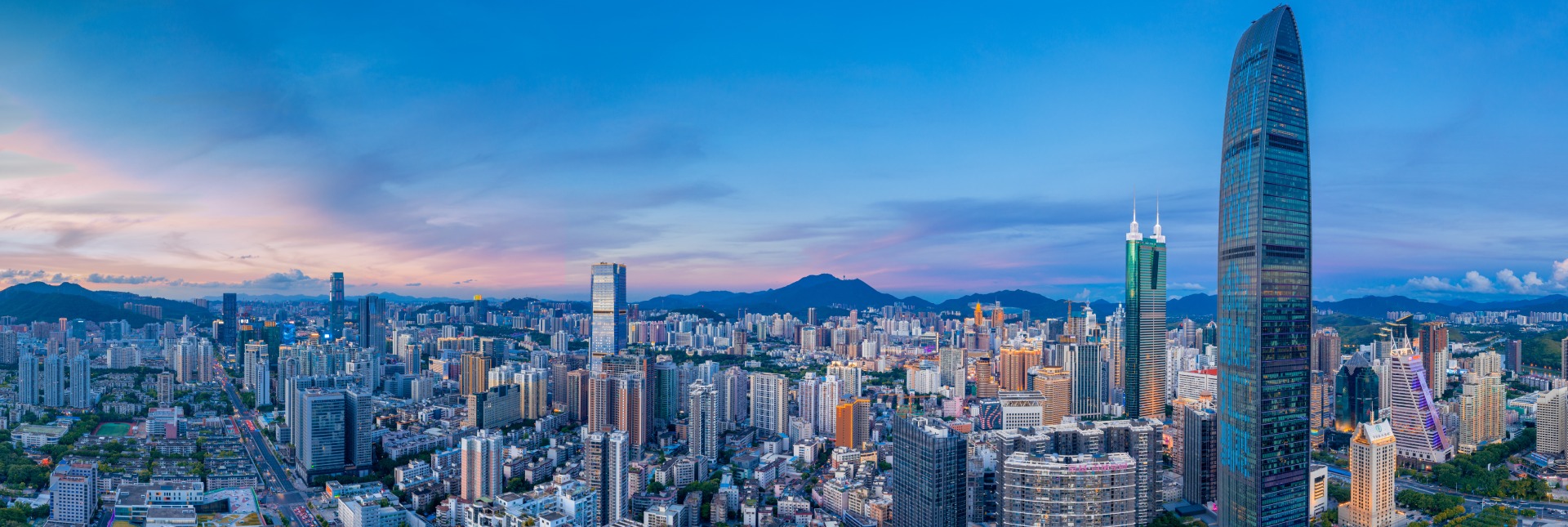
Asia Start: AI + Digital China Expedition
Asia Start provides entrepreneurs and executives with unparalleled access to Asia’s dynamic digital economy and its business ecosystems, offering the latest trends and insights, strategies, and connections to overcome challenges and unlock future growth for your business in Asia and beyond.
LocationChina (Shanghai, Hangzhou, Shenzhen)
Date11 - 14 May, 2026
LanguageEnglish
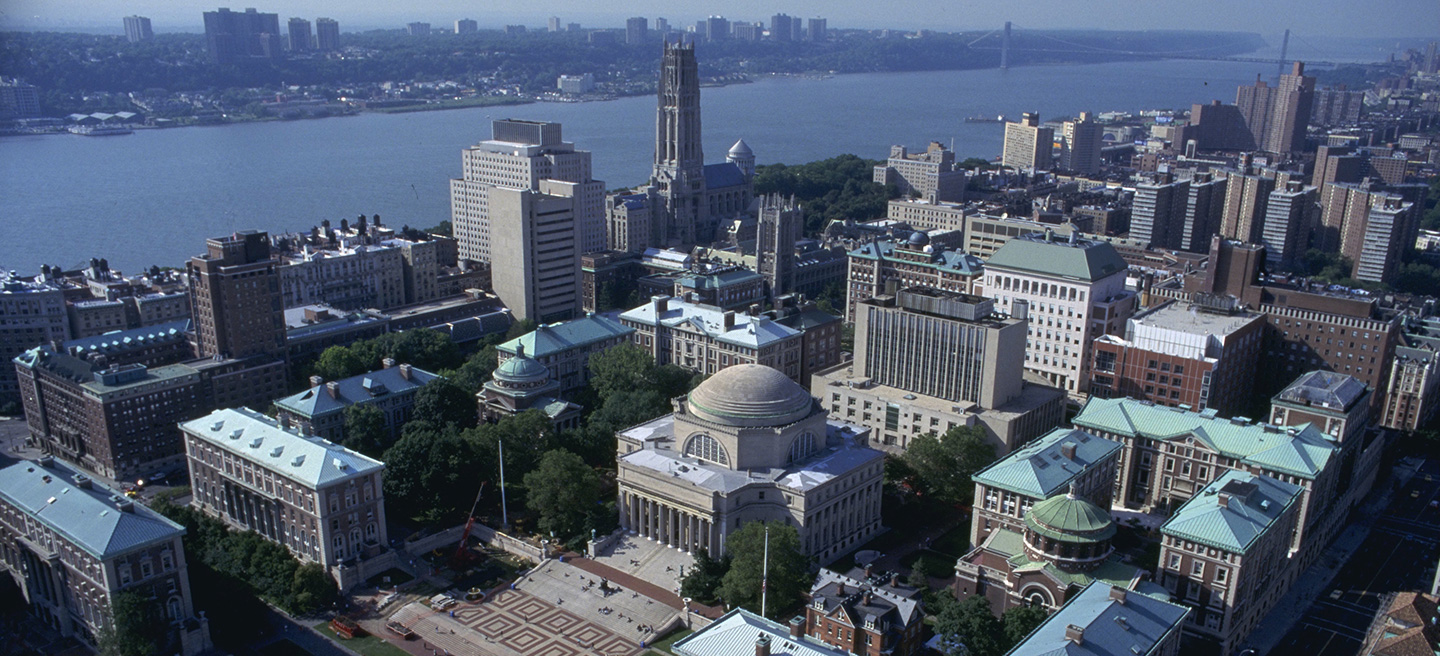
Scaling Innovation: AI and Digital Strategies for Business Transformation
In partnership with Columbia Engineering
Global Unicorn Program Series
This program is designed to equip senior executives with the strategic insights and tools necessary to lead in this transformative era.
LocationNew York, USA
Date27 Sep - 02 Oct, 2026
LanguageEnglish

Emerging Tech Management Week: Silicon Valley
In partnership with UC Berkeley College of Engineering
Global Unicorn Program Series
This program equips participants with proven strategies, cutting-edge research, and the best-in-class advice to fuel innovation, seize emerging tech developments, and catalyse transformation within your organization.
LocationUC Berkeley
Date01 - 06 Nov, 2026
LanguageEnglish
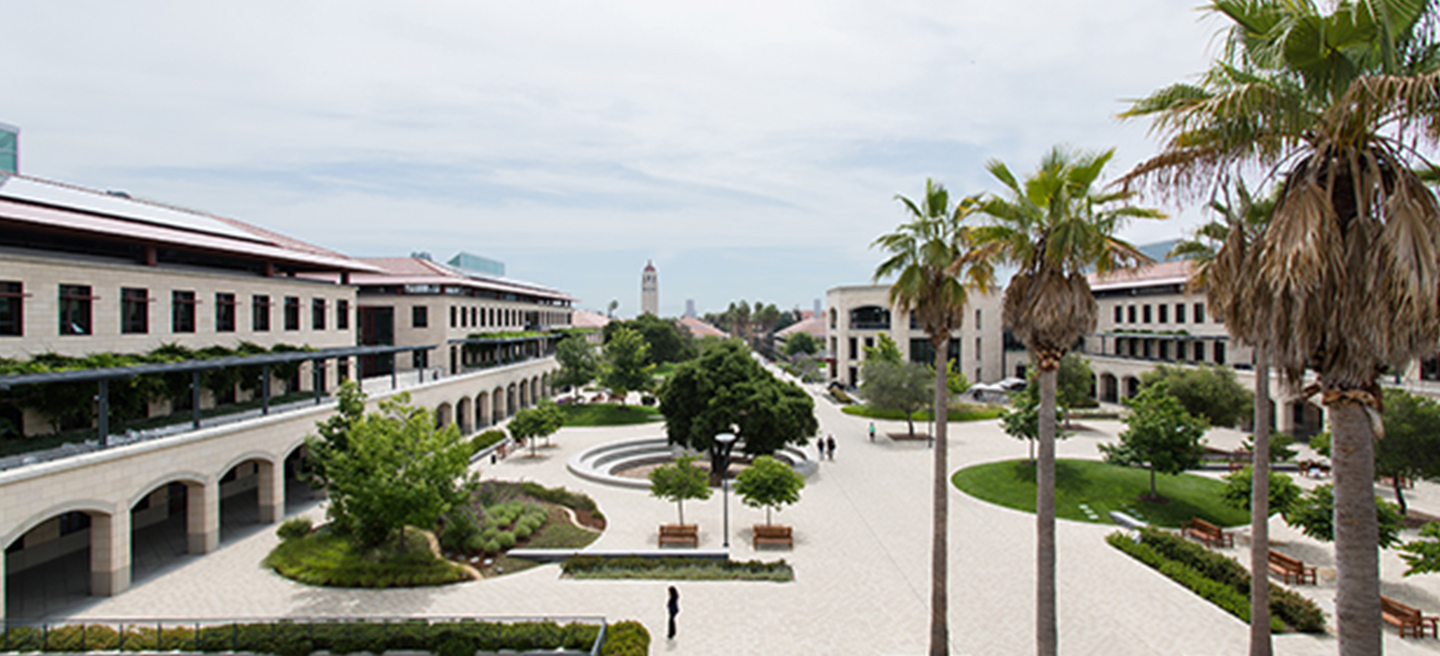
Stanford & Silicon Valley Immersion Program
In partnership with Stanford Engineering Center for Global & Online Education
Global Unicorn Program Series
This CKGSB program equips entrepreneurs, intrapreneurs and key stakeholders with the tools, insights, and skills necessary to lead a new generation of unicorn companies.
LocationStanford University Campus,
California, United States
Date06 - 11 Dec, 2026
LanguageEnglish with Chinese Translation