
Economy
China’s two most important annual political gatherings—the National People’s Congress (NPC) and the Chinese People’s Political Consultative Conference (CPPCC), collectively known as the “Two Sessions”—opened in Beijing on March 4 and March 5 in 2026.
With 2026 marking the beginning of China’s 15th Five-Year Plan, this year’s meetings offer an important window into the country’s economic priorities and policy direction for the next five years.
Among the delegates and political advisers participating this year are several alumni of Cheung Kong Graduate School of Business (CKGSB). Their proposals span areas including industrial policy, artificial intelligence, capital markets, energy transition, private-sector development, and regulatory reform. Below is a selection of the policy ideas put forward by CKGSB alumni.
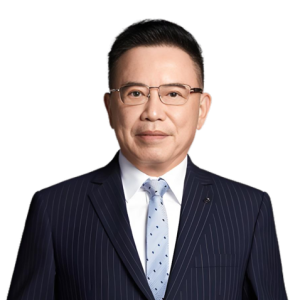
Li Dongsheng
Founder and Chairman, TCL | CKGSB CEO Program Alumnus
Li Dongsheng highlighted the persistent capital constraints facing many advanced manufacturing companies, particularly in sectors characterized by heavy assets, long development cycles, and high upfront investment.
He proposed aligning capital market policies more closely with national industrial strategy by creating specialized financing mechanisms and regulatory frameworks tailored to high-tech manufacturing sectors. Such reforms would allow capital markets to better support the growth of strategically important industries.
Addressing overcapacity and intense price competition in the photovoltaic sector, Li also called for policies to facilitate industry consolidation. His recommendations include:
Beyond industry restructuring, Li suggested unlocking consumption potential in sectors such as education, healthcare, and cultural services by encouraging more diversified and multi-tiered supply systems beyond basic public provision.
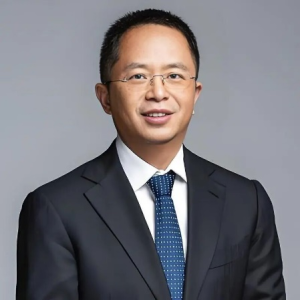
Zhou Hongyi
Founder, 360 Group | CKGSB CEO Program Alumnus
Zhou Hongyi emphasized the growing importance of AI inference infrastructure as artificial intelligence applications scale across industries.
He noted that China currently faces gaps in inference computing capacity, particularly in dedicated clusters optimized for inference workloads. To address this, Zhou proposed establishing a nationally coordinated yet regionally differentiated layout for inference computing power, with high-density, low-latency clusters concentrated in major industrial hubs.
His proposals also include:
Zhou also stressed the need to strengthen AI security frameworks and promote the development of security-focused AI agents for real-world deployment.
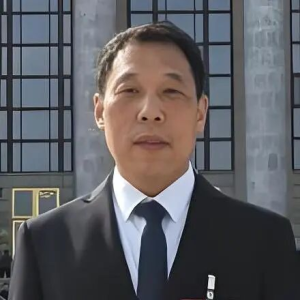
Feng Yidong
President, Zhongtai Securities | CKGSB EMBA Alumnus
Feng Yidong proposed establishing a national private equity fund share exchange in Hainan, leveraging the province’s free trade port policies and favorable business environment.
The proposed platform would create a regulated secondary market for private equity fund shares, supported by robust investor suitability standards and disclosure requirements. Feng recommended a phased development roadmap to foster a sustainable market ecosystem.
On climate policy, he suggested strengthening China’s carbon trading system by introducing a carbon quota tax mechanism, tightening emissions caps, and developing regionally differentiated carbon tax structures to guide industrial restructuring.
Feng also called for reforms to listed-company dividend policies, including stronger consideration of corporate cash flow in debt-servicing assessments and clearer governance mechanisms balancing creditor and board responsibilities.
Finally, he recommended deeper capital market connectivity between mainland China and Hong Kong, including the potential expansion of Stock Connect to cover the Beijing Stock Exchange.
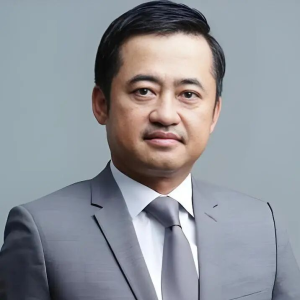
Ding Shizhong
Chairman, Anta Group | CKGSB DBA and CEO Program Alumnus
Ding Shizhong emphasized the economic potential of the sports industry as both a green and emerging sector capable of stimulating domestic consumption and generating spillover growth across multiple supply chains.
He proposed stronger policy support for sports consumption and the development of “Sports+” initiatives linking sports with tourism, health services, education, and entertainment.
More broadly, Ding stressed the importance of reinforcing the role of private enterprises in China’s national innovation system. He called for improved mechanisms enabling private firms to participate in major national technology initiatives, along with stronger incentive systems to recognize and reward innovation.
He also highlighted the need to strengthen platforms for technology validation and pilot testing—areas that remain relatively underdeveloped in China’s innovation ecosystem.
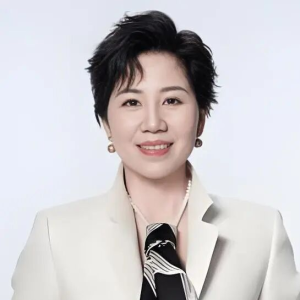
Tu Hongyan
Chairwoman, Wensli Group | CKGSB DBA and EMBA Alumna
Tu Hongyan pointed to expanding domestic demand and cultivating new drivers of growth through technological innovation as key priorities for China’s current policy cycle.
She proposed accelerating the integration of artificial intelligence into traditional industries in order to reshape production models and unlock new forms of consumption.
According to Tu, AI-enabled transformation can help traditional sectors move toward greener, more intelligent, and higher-value production systems, contributing to the development of what policymakers describe as “new quality productive forces.”
She also identified opportunities in healthcare and the “silver economy,” including advancing biotechnology applications derived from sericulture and developing functional health products tailored to aging populations.
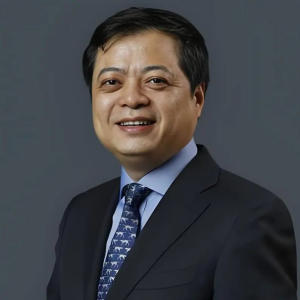
Nan Cunhui
Chairman, Chint Group | CKGSB CEO Program Alumnus
Nan Cunhui’s proposals focus on the intersection of energy transition, digitalization, and intelligent technologies.
His policy recommendations include:
Nan also called for improved market mechanisms in areas such as household distributed solar trading, direct green electricity supply arrangements, and carbon footprint management systems for power equipment manufacturing.
Together, these measures aim to support China’s dual-carbon goals while advancing industrial transformation during the upcoming Five-Year Plan period.
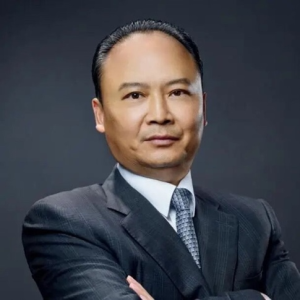
Liu Hanyuan
Chairman, Tongwei Group | CKGSB CEO Program Alumnus
Liu Hanyuan proposed reclassifying photovoltaic manufacturing within China’s energy sector governance framework rather than treating it solely as a manufacturing industry.
He argued that such a shift would enable better coordination between PV manufacturing capacity and national energy planning, while strengthening linkages between manufacturing, grid development, and energy consumption.
Liu also proposed establishing a dynamic supply–demand mechanism for PV manufacturing capacity, supported by price monitoring and early-warning systems to address market volatility caused by overcapacity.
In addition, he recommended creating a national monitoring platform for the photovoltaic supply chain and incorporating upstream polysilicon into China’s strategic energy reserve system.
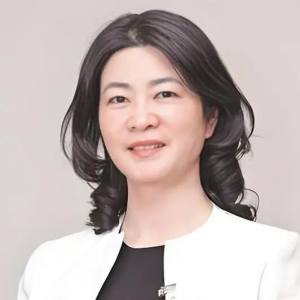
Li Xiaohong
Chairwoman, Hunan Jiahui Department Store Co., Ltd. | CKGSB EMBA Alumna
Li Xiaohong’s proposals focus on improving the regulatory framework for China’s digital platform economy while strengthening market integration across regions.
She called for more balanced governance between the digital and real economies, pointing to concerns such as high commission fees and data monopolization on large digital platforms. Li suggested strengthening routine oversight to address what she described as an imbalance in which “value creators earn minimal profits while traffic controllers capture excessive gains.”
She also proposed removing institutional barriers to cross-regional business operations. Using fragmented food safety traceability systems as an example, Li recommended establishing a nationally unified traceability platform to reduce reporting duplication, lower circulation costs, and support the development of a unified national market.
Additional recommendations include differentiated social security contribution policies for labor-intensive industries—with a transition period—to help stabilize employment, as well as a review of truck gross weight regulations to optimize logistics efficiency.
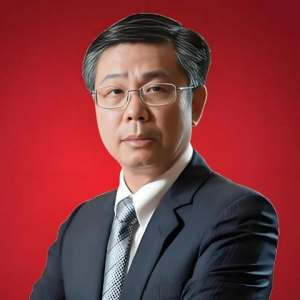
Huang Minli
Chairman, Man Wah Holdings | CKGSB CEO Program Alumnus
Huang Minli highlighted manufacturing as a cornerstone of national economic strength and argued that tax reform remains an important lever for sustaining high-quality growth.
He proposed aligning the value-added tax (VAT) rate for manufacturing more closely with those of related sectors to improve industrial competitiveness and stimulate investment.
Such reforms, he argued, could help stabilize manufacturing’s share of GDP, encourage job creation, and strengthen the long-term resilience of China’s industrial base.

Jiang Shengnan
Screenwriter and Author | CKGSB Women in Leadership (Juanyong) Program Alumna
Jiang Shengnan focused her proposals on protecting vulnerable groups, improving healthcare governance, and strengthening grassroots social systems.
To address fraudulent medical insurance claims by some psychiatric institutions, she proposed stronger multi-agency enforcement, enhanced intelligent monitoring systems for healthcare insurance, and reforms to payment mechanisms that currently incentivize longer hospital stays.
Jiang also called for a nationwide campaign to address cases of forced marriage involving rural women with mental or intellectual disabilities. Her recommendations include mandatory reporting mechanisms and clearer legal accountability covering identification, rescue, and resettlement processes.
In addition, she proposed improving property management systems in older residential communities and called for greater national support for Wenzhou University of Technology, including the development of advanced research platforms to support regional industrial clusters.
Subscribe to our newsletter for more updates on our alumni, research and programs!


