
The Land of the Freemium
July 01, 2013
US businesses have learned that freemium is not a one-size-fits-all solution
“Six point five million unique users is not all that it’s cracked up to be,” Matt Wensing, CEO and Founder of online weather service Stormpulse, said in a recent interview. “I don’t want hits. I want revenue. I want a real business.”
Comments such as these have caused some American observers to predict the end of the freemium business model, in which a company offers a service for free in hopes of getting some of its users to upgrade to a paid service. Some entrepreneurs in the West have begun turning away from the model, disillusioned with the high risks and slim profits.
It’s true that many American technology companies saw the freemium model as the only key to success in recent years. The result has been a US freemium boom, with freemium overtaking the paid model as the biggest revenue source for the top 200 applications in the Apple App Store in 2011, according to app analytics company Distimo.
Some American companies caught up in the frenzy over the freemium model ultimately learned better. Since the model hinges on attracting a very large user base—a difficult proposition for many companies—it is essentially a high-risk, high-return strategy, by no means a guarantee of success.
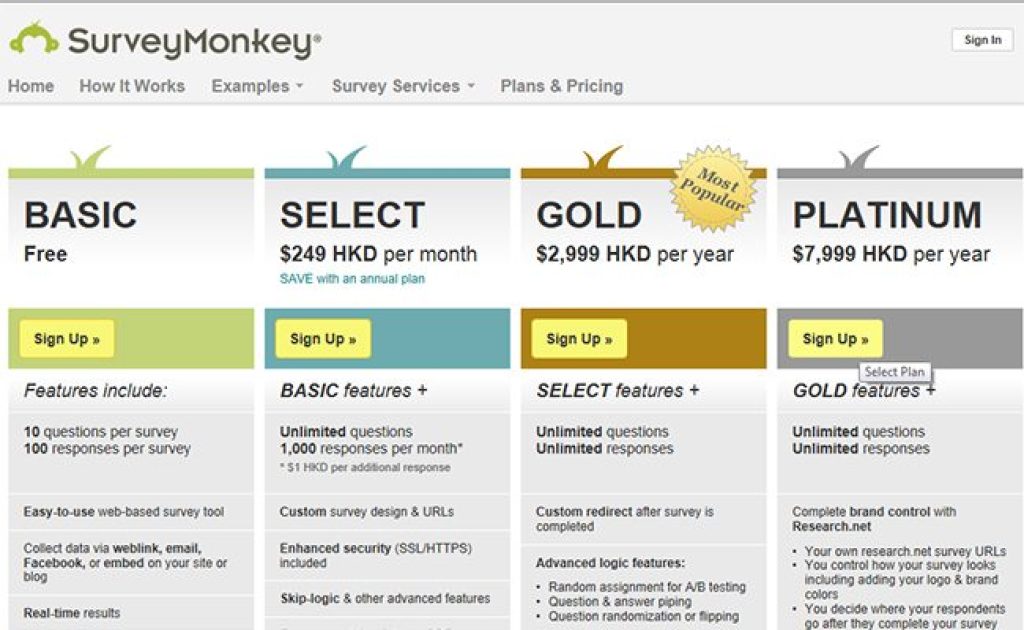
But while freemium is far from a one-size-fits-all solution, it is likely to remain a very viable model in the US technology industry. The cost of computing power and storage space continues to fall for companies, making the freemium business model even more viable for online businesses such as Dropbox, LinkedIn and SurveyMonkey. Problems with intellectual property protection have made the model less viable in China, where small start-ups have difficulty reaching the necessary scale to make money before bigger competitors pirate their products. But the US, with its strong IP protection, does not experience these same problems.
Businesses that are likely to gain popularity and scale up quickly, that offer their users increasing value over time, and that have low marginal costs should be drawn to the freemium model. However, companies that provide personalized services, target a specialized audience or require significant sales and marketing outlays should probably avoid it. For these companies, paid downloads may very well remain a more attractive option.
Companies in the US are learning that the freemium model can be a valuable resource, but it’s all in how they wield it. As Rob Walling noted in an article for the Wall Street Journal, freemium is like a Samurai sword—“unless you’re a master at using it, you can cut your arm off.”
For an in-depth look at the freemium model in China, check tomorrow’s article: The Future of Freemium
Enjoying what you’re reading?
Article Subscribe (1)
CKGSB Report




Related Articles

Our Programs

Scaling Innovation: AI and Digital Strategies for Business Transformation
Global Unicorn Program Series
In partnership with Columbia Engineering
This program is designed to equip senior executives with the strategic insights and tools necessary to lead in this transformative era.
LocationNew York, USA
Date27 Sep - 02 Oct, 2026
LanguageEnglish

Emerging Tech Management Week: Silicon Valley
Global Unicorn Program Series
In partnership with UC Berkeley College of Engineering
This program equips participants with proven strategies, cutting-edge research, and the best-in-class advice to fuel innovation, seize emerging tech developments, and catalyse transformation within your organization.
LocationUC Berkeley
Date01 - 06 Nov, 2026
LanguageEnglish

Asia Start (15th Edition): AI + Digital China Expedition
Asia Start provides entrepreneurs and executives with unparalleled access to Asia’s dynamic digital economy and its business ecosystems, offering the latest trends and insights, strategies, and connections to overcome challenges and unlock future growth for your business in Asia and beyond.
LocationChina (Beijing, Shanghai, Hangzhou & optional Shenzhen)
DateNovember 2-7, 2026
LanguageEnglish

Intelligent China: AI, EVs & Advanced Manufacturing
Participants may join the full 12-day journey or select individual modules based on their interests and priorities.
LocationBeijing · Shenzhen · Shanghai & Hangzhou
Date12 Days
LanguageEnglish

Emerging Markets: Innovation and Scaling for Exponential Growth – ASEAN
Learn China's AI and innovation strategy from its leading thinkers — brought to you in Jakarta, with an optional immersion in China — and connect with the business leaders driving it.
LocationJakarta, Indonesia
Date2–4 December 2026
LanguageEnglish (with Chinese translation)

Stanford & Silicon Valley Immersion Program
Global Unicorn Program Series
In partnership with Stanford Engineering Center for Global & Online Education
This CKGSB program equips entrepreneurs, intrapreneurs and key stakeholders with the tools, insights, and skills necessary to lead a new generation of unicorn companies.
LocationStanford University Campus,
California, United States
Date06 - 11 Dec, 2026
LanguageEnglish with Chinese Translation